

- Ageless Acupuncture725 Coleman Blvd
Suite 110
Mount Pleasant, SC 29464
Located Inside Stox & Co. Spa(843) 800–0759 

Latest Articles:
- • Here’s How Parents Are Creating Healthier Summers Without Burnout •
- • Sleep Tourism, Recovery Retreats, and Wellness Travel •
- • How Small Daily Habits Are Replacing Extreme Health Trends •
Traditional Chinese Medicine
How an Ancient Therapy Supports Modern Reproductive Health
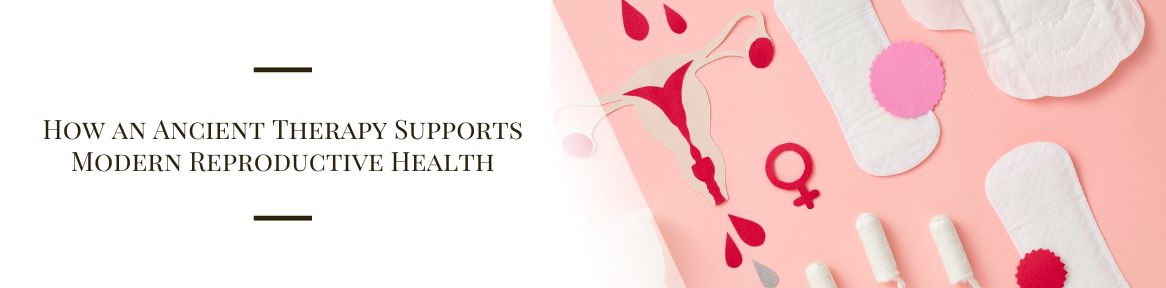
Infertility affects millions of couples worldwide, and for many, the journey to conception involves more than medical testing and assisted reproductive technologies (ART) like IVF. Increasingly, patients and clinicians are exploring integrative care, combining conventional medicine with evidence-informed complementary therapies. Among the most studied of these is acupuncture, a component of Traditional Chinese Medicine (TCM) practiced for more than 2,000 years.
Today, acupuncture is not viewed simply as an “alternative” therapy, but as a supportive physiological intervention that may influence hormonal regulation, blood flow, stress response, and reproductive function. While research findings are mixed and nuanced, a growing body of clinical evidence suggests acupuncture can play a valuable adjunct role in fertility treatment and natural conception efforts. continue reading
The Benefits of Gua Sha: Ancient Technique, Modern Science
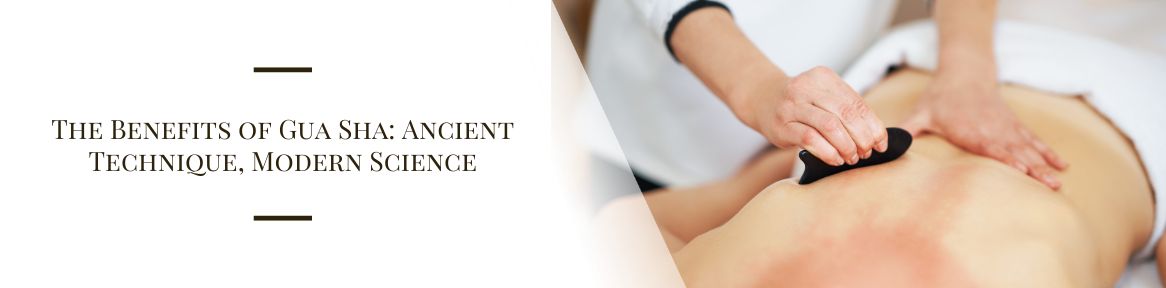
For centuries, practitioners of Traditional Chinese Medicine (TCM) have used Gua Sha to promote healing, circulation, and balance in the body. Often described as a scraping therapy using a smooth-edged tool, it has evolved from a traditional full-body treatment into a widely used wellness and skincare practice today.
Now seen in clinics, spas, and even social media skincare routines, Gua Sha sits at the intersection of ancient healing and modern science.
But beyond its viral beauty appeal lies growing research showing measurable physiological effects, many of which help explain why it continues to be used in clinical and integrative care settings.
Meridian Theory: The Ancient Map of the Body
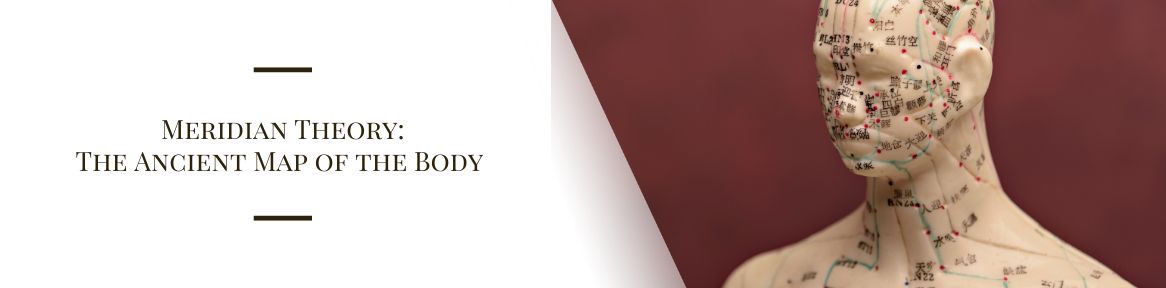
For thousands of years, practitioners of Traditional Chinese Medicine (TCM) have described the human body using a very different “anatomy” than modern Western medicine. Instead of viewing the body only through nerves, vessels, and organs, they described an interconnected communication system linking structure, function, sensation, and emotion.
This network is called the meridian system. Today, with growing interest in acupuncture, fascia research, bioelectric signaling, and integrative medicine, Meridian Theory is once again being explored through a scientific lens. Researchers continue to ask: are meridians symbolic, or do they reflect real physiological networks?
What It Means to Treat the Body as a Whole System
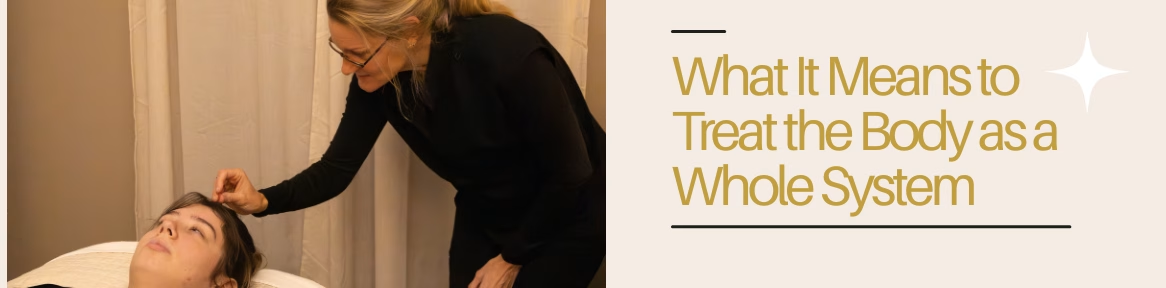
Sometimes the body does not break down in just one place.
You might notice recurring tension in your neck, lingering lower back pain, or constant fatigue that never quite resolves. You stretch, rest, exercise, or even go to therapy, yet the same patterns keep coming back.
This is often because the body is not operating in isolation. Everything is connected.
Treating the body as a whole system means looking beyond the surface symptom and understanding what is happening underneath, in the way your body functions, adapts, and responds over time.
When Your Next Meal is Part of the Treatment Plan
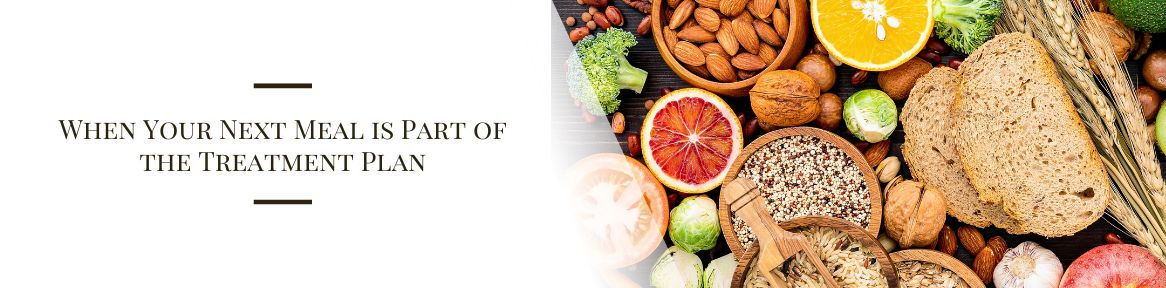
For many chronic health issues, everyday exposures matter most. Food isn’t only fuel. It’s raw material, signaling molecules, and a daily set of “instructions” your body reads repeatedly.
The idea of food as medicine isn’t new. It shows up in traditional healing systems, in public health, and increasingly in modern clinical research. The most useful way to think about it today is practical and evidence-based:
- Food can reduce risk (primary prevention).
- Food can support treatment alongside medical care (adjunct therapy).
- Food can change symptoms by affecting inflammation, blood pressure, lipids, glucose, the gut microbiome, and even brain signaling.
It won’t replace necessary medications or procedures. But in many cases, it can meaningfully shift the trajectory of health and sometimes quickly. continue reading