
Sometimes the body does not break down in just one place.
You might notice recurring tension in your neck, lingering lower back pain, or constant fatigue that never quite resolves. You stretch, rest, exercise, or even go to therapy, yet the same patterns keep coming back.
This is often because the body is not operating in isolation. Everything is connected.
Treating the body as a whole system means looking beyond the surface symptom and understanding what is happening underneath, in the way your body functions, adapts, and responds over time.
Why Focusing on One Area Often Falls Short
Most conventional approaches focus on where the pain is located. A sore shoulder gets treated as a shoulder issue. Knee pain gets treated as a knee issue.
But the body does not work in isolated parts.
A tight shoulder may be connected to posture, stress, breathing patterns, or even how your hips and spine are moving. Chronic lower back pain can be influenced by muscle imbalances, nervous system tension, or poor recovery.
When only the symptom is addressed, the root pattern often remains. That is why discomfort tends to return.
The Body as an Integrated System
Every part of your body is constantly communicating.
Muscles, joints, nerves, circulation, and even your internal systems all influence how you feel and function.
When one area is stressed or overworked, other parts compensate. Over time, these compensations can turn into pain, stiffness, or limited movement.
A system-based approach looks at:
- How your body is moving as a whole
- Where tension is building and why
- How your nervous system is responding
- How well your body is recovering between demands
Instead of isolating the problem, it connects the dots.
Where Acupuncture Fits Into This Approach
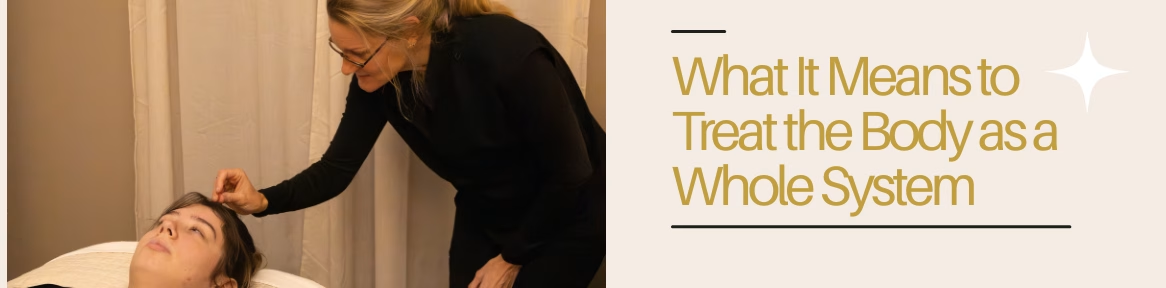
Acupuncture supports the body by working with its natural communication systems.
Rather than focusing on just one point of pain, it helps regulate how the body responds as a whole.
This includes:
- Supporting circulation to areas that need healing
- Helping reduce muscle tension and guarding
- Calming an overactive nervous system
- Encouraging better communication between muscles and nerves
When the system is more balanced, the body can begin to function more efficiently.
Many people notice that areas of discomfort begin to improve, even if they were not directly treated. That is because the underlying patterns are being addressed.
Why Chronic Pain and Tension Keep Coming Back
If a problem keeps returning, there is usually a reason.
Common patterns include:
- Ongoing stress that keeps the body in a tense state
- Poor recovery habits that prevent full healing
- Muscle imbalances that create repeated strain
- Nervous system dysregulation that keeps the body “on edge”
These patterns build over time. Even if the initial issue heals, the system that created it may still be active.
This is where treating the body as a whole becomes important.
What Changes When the Whole System Is Supported
When the body is treated as an integrated system, changes tend to feel different.
Instead of temporary relief, you may notice:
- Tension that releases more deeply
- Pain that becomes less frequent or less intense
- Improved mobility and ease of movement
- Better sleep and recovery
- A general sense that your body feels more balanced
These shifts often happen gradually, but they tend to last longer because the root patterns are being addressed.
Supporting More Than Just Physical Pain
The body does not separate physical stress from emotional or mental stress.
Everything is connected through the nervous system.
When the body is under constant stress, it can show up as:
- Muscle tightness
- Headaches
- Digestive discomfort
- Poor sleep
- Slower recovery
A whole-body approach recognizes these connections and supports the system as a whole, not just one isolated symptom.
A More Complete Approach to Healing
Treating the body as a whole system is not about doing more. It is about understanding what the body actually needs.
When care is aligned with how the body functions, healing becomes more efficient and more sustainable.
This is why many people combine acupuncture with physical therapy, movement work, and other forms of supportive care. Together, they create a more complete path toward recovery and long-term wellness.
Ready to Support Your Body as a Whole System
If you have been dealing with recurring tension, ongoing discomfort, or recovery that feels incomplete, your body may need a more connected approach.
Ageless Acupuncture offers personalized treatments that work with your body as a whole system, supporting recovery, reducing pain, and helping your body function more efficiently over time.