

Skip to content

Diabetes

Chances are that you or someone you know has been affected by diabetes. It’s an increasingly common condition—one that approximately 1.3 million people in the U.S. will be diagnosed with this year alone. While it is generally a long-term condition, diabetes can be managed through self-care, nutrition, and medication. Another safe, effective approach to managing diabetes and its symptoms is acupuncture. Acupuncture and Traditional Chinese Medicine (TCM) help promote health and well-being. Both can be used safely along with your current medical treatment to provide the best results for you.

Understanding a complex condition

The body gets its energy from food through the process of digestion. Food is broken down into glucose (or sugar) which passes into the bloodstream. Then the glucose is moved into muscle, fat, and liver cells by the hormone insulin, which is produced by the pancreas. However, if you have diabetes, your body either does not produce enough insulin, or doesn’t respond to it properly, and this leads to high levels of sugar in the blood.

Uncontrolled blood-sugar levels can cause serious complications if left untreated, including blindness, heart attack, stroke, kidney failure, amputations, and nerve damage.

There are two main types of diabetes

Type I diabetes: Usually diagnosed during childhood, type I is an autoimmune disease in which the body’s immune system attacks insulin-producing cells. Symptoms usually come on suddenly, and treatment includes daily injections of insulin.

Symptoms of Type II Diabetes include:
  • Increased thirst
  • Increased urination
  • Increased appetite
  • Fatigue
  • Blurred vision
  • Slow-healing infections
  • Impotence in men

Type II diabetes: This type accounts for 90-95% of all diabetes cases, and is usually diagnosed during adulthood. Major risk factors include family history, having high blood pressure or high cholesterol and being overweight and sedentary.

Since symptoms may be mild, many people don’t know they have diabetes, which is why it’s important to get tested regularly, especially after age 45. Testing can also detect pre-diabetes, where blood sugar is high, but not yet at diabetic levels. With early detection and treatment, it is far easier to stop the disease from progressing, control your symptoms, and prevent complications. Treatments often include regular blood-sugar monitoring and medications to control blood sugar, as well as diet and exercise.

Diabetes according to Traditional Chinese Medicine (TCM) goes beyond a simple diagnosis of Type I or Type II diabetes.

Below are some of the more common TCM diagnoses that your acupuncturist may discover and treat.

  • Upper Wasting
  • Middle Wasting
  • Lower Wasting
  • Spleen deficiency
  • Liver Qi Stagnation

A natural approach that works

The good news is that certain types of diabetes respond very well to acupuncture along with other holistic health care choices and lifestyle changes—sometimes even making medications unnecessary.

Acupuncture and TCM can help put you on the path to a healthier lifestyle. Since diabetes has an impact on every part of your body, it makes sense to try a therapy that takes a holistic, or whole-body, approach to health.

According to TCM, Qi (pronounced “chee”) is the vital energy that animates the body and protects it from illness. Qi flows through pathways called meridians and provides nourishment to all of the body’s organs and glands. When there is an imbalance or blockage in the flow of Qi, symptoms associated with diabetes may appear.

According to TCM, diabetes is known as “Xiao Ke” or “wasting and thirsting disease”, caused by an imbalance of Qi and Yin. This produces heat which drains and consumes the body’s fluids. That is why symptoms related to heat appear—excessive thirst, irritability, itchy skin, dry mouth and red, swollen gums.

During treatment, fine, sterile needles will be inserted in specific acupuncture points along the meridian pathways in order to restore the flow of Qi and nourish Yin. This can ultimately relieve symptoms, improve pancreatic function and control blood sugar levels. Your acupuncturist will also work to resolve other imbalances or concerns that may be complicating your condition, and can help with common symptoms such as pain.

In addition to acupuncture care, your practitioner may offer recommendations for dietary changes, exercise plans, and herbal remedies.

Acupuncture and TCM address each patient’s individual needs in eliminating symptoms and potentially reduce the need for medication. The best approach to controlling your diabetes is to work with a team of health care providers who can address the many aspects of diabetes. Including an acupuncturist to your team—and working together to manage your diabetes—can have lasting benefits and help you live a healthy, active life.


Choate, C. Diabetes Mellitus From Western and TCM Perspectives. Accessed 2/10/2007.
Diabetes. U.S. National Library of Medicine Medical Encyclopedia. 2/8/2007.
Diabetes Overview and Facts. WebMD. Accessed 6/9/2007.
Treating Diabetes with Acupuncture and Chinese Medicine. Acufinder.com. Accessed 6/4/2007.
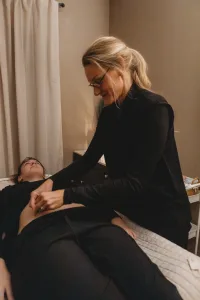
Depression

Understanding Depression And How Holistic Care Can Help

Depression is one of the most common mental health challenges people face around the world. It affects millions of adults every year, with long‑lasting feelings of sadness, discouragement, or hopelessness that can make daily life feel heavy and overwhelming. According to the World Health Organization (WHO), an estimated 5.7% of adults experience depression serious enough to affect their well‑being and quality of life.

Many of us have felt low at times and that’s part of being human. But when those feelings persist day after day and don’t lift with time, you may be dealing with clinical depression, not just a passing mood. The good news is that depression is treatable, and there’s growing research showing that acupuncture and holistic depression treatment options can play a supportive role alongside other care.


How Acupuncture Helps with Depression

Research continues to explore how acupuncture for depression works in real people. A recent study of randomized trials found that acupuncture led to greater improvements in depressive symptoms compared to standard care in many studies and more importantly, with fewer side effects than typical antidepressant medication (Tan et al., 2024).

Another major review of clinical research also found that acupuncture, whether used alone or with conventional treatments, often had beneficial effects on mood symptoms and was safe in a clinical setting. A recent study on depression by D. Ni et al. (2025) also suggests that acupuncture may influence the body’s stress and inflammatory responses  which are increasingly understood to play a role in mood disorders  although more research is still needed to clarify how this happens.  All of this means that acupuncture in Charleston, SC can be considered a natural, drug-free option for supporting your emotional balance especially if you’re looking for a holistic depression treatment alongside therapy, lifestyle changes, or medication.

What Happens in a Holistic Depression Treatment Plan

When you work with a licensed acupuncturist, you’ll talk about your full story and not just your mood but your sleep, energy, stress, digestion, and overall wellness. That gives your practitioner a better understanding about your body and your emotions being interconnected.

From there, your treatment plan might include:

  • Acupuncture sessions tailored to your symptoms
  • Gentle bodywork or massage if appropriate
  • Recommendations for supportive herbs or supplements
  • Lifestyle guidance around stress, sleep, and self‑care

The goal isn’t just to “fix a feeling” — it’s to help your whole system find balance so that your mood, body, and mind can work better together. Because depression often involves layers of stress, sleep disruption, inflammation, and nervous system imbalance, a holistic approach can be particularly supportive.


Tips to Support Your Mood Naturally 

Alongside acupuncture and Charleston acupuncture care, these simple habits are backed by research and can help your mood and emotional health:

  • Connect with supportive people: Strong relationships help buffer stress and improve resilience.
  • Breathe and slow down: Avoid major life changes all at once when you’re struggling.
  • Get moving: Even 20 minutes of walking or gentle exercise several times a week can help lift mood and reduce depressive symptoms (Garone, 2025).
  • Prioritize sleep: Poor sleep and mood are strongly linked since getting regular, restful sleep can make a big difference over time (Du et al., 2024).

Remember, you’re not alone. Depression affects many people, and reaching out for different forms of care including acupuncture, counseling, medication, lifestyle changes, and social support can give you a stronger recovery.


References:

  • World Health Organization: WHO & World Health Organization: WHO. (2025, August 29). Depressive disorder (depression). https://www.who.int/news-room/fact-sheets/detail/depression
  • Tan, Y., Duan, R., & Wen, C. (2024). Efficacy of acupuncture for depression: a systematic review and meta-analysis. Frontiers in neuroscience, 18, 1347651. https://doi.org/10.3389/fnins.2024.1347651
  • Zhang, Z., Li, S., Meng, H., Wang, Y., Zhang, Y., Wu, M., Chen, Y., Rong, P., & Wang, Y. (2021). Efficacy and safety of acupuncture in the treatment of depression: A systematic review of clinical research. Anatomical record (Hoboken, N.J. : 2007), 304(11), 2436–2453. https://doi.org/10.1002/ar.24783
  • Ni, D., Zhang, J., Qi, R., Huang, Y., Li, M., & Duan, L. (2025). Effect of acupuncture on neuroinflammatory responses in depression animals: a systematic review and meta-analysis. Frontiers in psychiatry, 16, 1624648. https://doi.org/10.3389/fpsyt.2025.1624648
  • Garone, S. (2025, January 7). Study: Taking this many steps each day can Improve Mental Health. Health. https://www.health.com/step-count-reduce-depression-study-8769848
  • Du, Y., Wang, M., Wang, Y. et al. The association between dietary quality, sleep duration, and depression symptoms in the general population: findings from cross-sectional NHANES study. BMC Public Health 24, 2588 (2024). https://doi.org/10.1186/s12889-024-20093-9


Colds & Flu

Stay Healthy This Cold & Flu Season with Natural Support in Charleston, SC

Every year, hundreds of people in Charleston, SC, face the discomfort of colds and flu. Fever, sore throat, congestion, fatigue, body aches, and coughing are all-too-common symptoms. While colds are usually milder than the flu, both can take a toll on your energy and overall well-being.

If you’re looking for natural cold and flu treatment in Charleston, acupuncture and Traditional Chinese Medicine (TCM) offer safe, drug-free ways to support your body’s immune system and recover faster.

Enhance Immunity with Acupuncture in Charleston

Acupuncture strengthens your body’s natural defenses, or Wei Qi, which functions like the immune system in Western medicine. When Wei Qi is strong, your body is more resilient to colds and flu. When it’s depleted, you’re more likely to get sick.

Research shows that acupuncture can reduce the incidence of upper respiratory infections and shorten the duration of colds and flu (B. Lee et al., 2025). By targeting specific acupoints, acupuncture helps regulate immune function, reduce inflammation, and promote overall wellness.

In Charleston, acupuncture is increasingly used as a holistic cold and flu treatment, especially for patients who want drug-free immune support.

Along with acupuncture, these simple habits can help keep your immune system strong during cold and flu season:

  • Drink plenty of water. Staying hydrated helps your body fight off germs and keep everything working smoothly. Research suggests proper hydration supports immune function.
  • Move your body. Regular exercise improves circulation and supports immune health. Studies show that moderate activity can reduce the risk of infections.
  • Eat nutritious foods. Colorful vegetables like carrots, broccoli, sweet potatoes, garlic, and tomatoes are packed with vitamins and antioxidants that support immunity (Ceylan, 2025).
  • Limit sugar. Too much sugar can temporarily weaken the immune system, making it harder to fight off viruses (National Nutrition, 2024).
  • Support with vitamins or herbs. Research shows vitamin C and certain herbal supplements can help support immune health, especially during cold and flu season.
  • Get enough sleep. Sleep is essential for your immune system to function properly. People who consistently get enough rest tend to recover faster from illness (Rathaur et al., 2020).
  • Manage stress. Chronic stress can interfere with immune function. Relaxation, fun activities, and mindfulness all help keep your defenses strong (National Nutrition, 2024).

Keep up with acupuncture at Ageless Acupuncture in Charleston, SC. Studies suggest acupuncture may enhance immune function and help your body respond more effectively to seasonal illnesses.

Why Choose Acupuncture & TCM in Charleston

Acupuncture for cold and flu relief at Ageless Acupuncture in Charleston is drug-free, safe, and effective. It supports your body’s natural self-regulating and healing systems, helping you recover faster if illness occurs and reducing the risk of prolonged symptoms.

By strengthening Wei Qi and balancing your body’s internal systems, acupuncture helps your organs and meridians function optimally — improving not just your immunity, but your overall vitality and wellness.

If you want a natural, holistic approach to preventing and treating colds and flu in Charleston, SC, acupuncture and TCM can be an essential part of your self-care routine.

References:

Carpal Tunnel

Carpal Tunnel Syndrome: A Natural Approach with Acupuncture in SC

Do you feel tingling or numbness in your hand or fingers? Pain that travels from your wrist up your arm? Maybe holding small objects has become harder. These are common sights of Carpal Tunnel Syndrome, a condition where the median nerve in the wrist gets compressed and causes discomfort that can impact your daily life.

Carpal tunnel is common and millions of adults experience it and while conventional medicine often uses wrist splints, medications, or even surgery, many people want safe, natural options too.  That’s where acupuncture and Traditional Chinese Medicine (TCM) come in, especially here in South Carolina (acupuncture in Charleston) where many patients are finding relief without drugs or invasive procedures.

Understanding CTS Simply

The carpal tunnel is a narrow passage in your wrist that houses the median nerve, which gives feeling to your thumb and first three fingers and helps you grasp things. When swelling from repetitive use or injury presses on that nerve, you get symptoms like:

  • Numbness, tingling, or burning in your fingers
  • Pain in the wrist that may extend up the arm
  • Weakness or dropping objects easily

Repetitive tasks involving wrist movement (like typing, texting, or assembly line work) are common triggers (Glazer & Pantea, 2019).

How Acupuncture Can Help

Patients often ask: “Can acupuncture really do something for CTS?” The research is growing, and while we always want the highest-level evidence, here’s what current science shows:

  • Acupuncture may reduce pain and improve nerve functions

Some studies find that acupuncture plus a wrist splint helped clinical symptoms and nerve function more than splints alone. In one clinical trial, people receiving acupuncture showed decreases in pain scores and improvements in how the nerve looked on ultrasound after treatment.

  • Research suggests acupuncture compares favorably to standard treatments

A 2015 trial reported that acupuncture reduced pain and improved symptom questionnaires more than ibuprofen in people with mild to moderate CTS.

  • Systematic reviews support acupuncture as an option especially with other care 

What You Can Do Every Day  

Alongside professional acupuncture care, simple lifestyle changes make a real difference:

  • Taking breaks from repetitive work even short pauses help.
  • Stretch your hands, wrists, and shoulders gently throughout the day
  • Check your workstation setup, proper ergonomics can reduce strain
  • Stay active, practices like gentle yoga or physical therapy support flexibility
  • Ask about supplements (like B vitamins and omega-3s) that may support nerve health.

These natural approaches empower you to take an active role in your healing journey.

Recent meta-analyses indicate that acupuncture can be effective when used alongside conventional treatments like night splint, and may offer greater pain relief than night splinting alone in some cases (Dong et al., 2023).

While the quality of research varies, these results suggest acupuncture has potential benefit for CTS symptoms without the side effects often associated with medications or surgery.

What to Expect & Bottom Line

When you receive acupuncture from a licensed practitioner in South Carolina, your care is always personalized. During treatment, fine and sterile needles are gently placed at specific points to support your body’s natural healing response, reduce inflammation, and improve nerve communication. Many patients also notice that acupuncture helps calm the nervous system, making it easier to cope with the stress that often comes with chronic pain.

Carpal Tunnel Syndrome doesn’t have to control your life. Acupuncture offers a safe, drug-free option that many people find helpful especially when paired with healthy lifestyle habits and supportive care. If you’re exploring acupuncture for carpal tunnel in SC, a consultation with a licensed acupuncturist at Ageless Acupuncture can help determine whether this natural approach aligns with your goals.

References:

  • Dong, Q., Li, X., Yuan, P., Chen, G., Li, J., Deng, J., Wu, F., Yang, Y., Fu, H., & Jin, R. (2023b). Acupuncture for carpal tunnel syndrome: A systematic review and meta-analysis of randomized controlled trials. Frontiers in Neuroscience, 17, 1097455. https://doi.org/10.3389/fnins.2023.1097455
  • Hadianfard, M., Bazrafshan, E., Momeninejad, H., & Jahani, N. (2015). Efficacies of Acupuncture and Anti-inflammatory Treatment for Carpal Tunnel Syndrome. Journal of Acupuncture and Meridian Studies, 8(5), 229–235. https://doi.org/10.1016/j.jams.2014.11.005
  • Ural, F. G., & Öztürk, G. T. (2017). The Acupuncture Effect on Median Nerve Morphology in Patients with Carpal Tunnel Syndrome: An Ultrasonographic Study. Evidence-based complementary and alternative medicine : eCAM, 2017, 7420648. https://doi.org/10.1155/2017/7420648

Cancer Care

Cancer Care: Support for Your Body, Mind, and Healing Journey

Hearing the word cancer can feel overwhelming. It can bring fear, uncertainty, and a loss of control—especially in the early days after diagnosis. While cancer is a serious condition, many people today live longer and fuller lives thanks to earlier detection and advances in medical care. There are more effective treatments than ever to slow disease progression, manage symptoms, and support overall quality of life.

Alongside conventional cancer treatments, many people also seek natural cancer support to help their bodies cope physically and emotionally. Acupuncture and Traditional Chinese Medicine (TCM) are commonly used as part of integrative cancer care, working alongside and not instead of standard medical treatment.

Understanding Cancer Treatments and Their Side Effects

Cancer is a group of diseases in which abnormal cells grow uncontrollably and damage healthy tissue. There are over 100 types of cancer, often named for where they begin in the body, such as breast, lung, colon, prostate, or skin cancer.

Treatment plans vary depending on cancer type, stage, and overall health, and may include:

  • Surgery, to remove cancerous tissue when possible
  • Chemotherapy, which uses medications to destroy or slow cancer cells
  • Radiation therapy, which targets cancer cells with high-energy radiation
  • Immunotherapy or biological therapies, which help the immune system recognize and attack cancer cells

While these treatments can be life-saving, they often come with side effects such as fatigue, nausea, pain, hot flashes, sleep disturbances, anxiety, and digestive issues (National Cancer Institute [NCI], 2024).

Whole-Person Support During Cancer Treatment

In addition to acupuncture, care may also include:

  • Acupressure or therapeutic bodywork
  • Nutritional and lifestyle guidance
  • Gentle movement or breathing practices
  • Stress-reduction support

Your care is always coordinated with your medical team, and open communication about medications, supplements, and treatments is essential to avoid interactions and ensure safety.

A Traditional Chinese Medicine Perspective: Supporting the Body’s Strength

In Traditional Chinese Medicine, cancer support focuses on strengthening the body’s ability to heal and recover. This approach is often described by the principles of Fu Zheng Gu Ben, which means supporting the body’s core strength and resilience.

Rather than targeting disease alone, TCM aims to:

  • Support immune function and recovery
  • Improve circulation and energy flow
  • Reduce inflammation and stagnation
  • Restore balance between physical, emotional, and mental health

This whole-person approach is especially helpful during cancer treatment, when the body is under significant stress.

How Acupuncture Can Support Cancer Care

Acupuncture for cancer support has been widely studied and is commonly used in integrative oncology settings. Research shows acupuncture may help reduce treatment-related side effects and improve quality of life when used alongside conventional care.

According to the National Institutes of Health, acupuncture has been shown to help manage:

  • Chemotherapy-related nausea and vomiting
  • Cancer-related fatigue
  • Post-surgical pain
  • Anxiety, stress, and sleep disturbances

(National Center for Complementary and Integrative Health [NCCIH], 2023)

More recent reviews and clinical guidelines support acupuncture as a safe complementary therapy for symptom relief in people undergoing cancer treatment (Garcia et al., 2013; Rossi et al., 2021).

Importantly, acupuncture is non-invasive, drug-free, and generally well tolerated, making it a gentle option for people navigating cancer treatment.


Treating the Person, Not Just the Diagnosis

Cancer care is about more than treating disease, it’s about supporting you. A holistic approach considers your physical symptoms, emotional well-being, stress levels, and overall lifestyle. By addressing the whole person, integrative cancer care helps you feel more supported, more resilient, and more empowered throughout your healing journey.

If you’re looking for acupuncture for cancer support in Charleston, SC, this approach may help ease side effects, support recovery, and improve quality of life while you continue with your medical treatment plan.


References:


(843) 800–0759 Directions Contact/Schedule