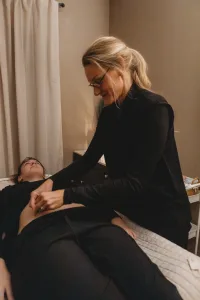


If you’re searching for acupuncture in South Carolina, you’re likely looking for safe, natural care you can trust. Whether you’re dealing with chronic pain, stress, anxiety, hormonal imbalance, or sleep issues, who you choose as your acupuncturist truly matters.
Acupuncture is a gentle and effective form of natural medicine but only when it is performed by someone who is properly licensed and experienced
Acupuncture in South Carolina Is Regulated to Protect Patients
In South Carolina, acupuncture is a regulated medical profession. This means practitioners must meet strict education, training, and safety standards before they are allowed to practice.
A licensed acupuncturist in South Carolina has
- Completed graduate-level education in acupuncture and Chinese Medicine
- Passed national board examinations
- Met licensing requirements through the South Carolina Board of Medical Examiners
- Maintained continuing education to stay current with safety and best practices
These standards exist to protect patients and ensure acupuncture is practiced safely, ethically, and effectively.
Research Supports Acupuncture, When Performed by Trained Practitioners
Scientific research continues to support acupuncture as a safe and effective therapy for a wide range of conditions when performed by qualified practitioners.
- A large systematic review and meta-analysis found that acupuncture significantly reduced anxiety symptoms and was well-tolerated, highlighting its role as a safe, non-drug option for stress and emotional health (Pilkington et al., 2007).
- Research has shown acupuncture can help reduce chronic pain and improve quality of life, particularly when treatments are tailored to the individual rather than applied as a one-size-fits-all approach (Vickers et al., 2018)
- Safety reviews involving thousands of treatments report that acupuncture has a very low risk of serious side effects when performed by licensed, properly trained practitioners (White, 2001)
This research reinforces an important point: training, licensure, and experience matter when it comes to both results and safety.
Why Experience Makes a Difference in Your Results
If you’re searching for acupuncture in South Carolina, you’re likely looking for natural care that feels safe, professional, and truly personalized. Whether you’re dealing with pain, stress, anxiety, hormonal changes, or sleep issues, choosing the right acupuncturist can make a meaningful difference in your results.
Acupuncture is a powerful form of natural medicine but only when it’s provided by someone who is properly licensed, well trained, and experienced. Here’s what South Carolina patients should know when choosing an acupuncturist.
- Customize treatments based on your unique symptoms and health history
- Adjust care as your body responds over time
- Recognize underlying patterns contributing to pain, stress, digestive issues, or hormonal imbalance
- Focus on the root cause, not just temporary symptom relief
- Over time, experience allows an acupuncturist to better understand how different bodies respond to treatment, leading to more effective and lasting results.
Safety, Comfort, and Personalized Care
Safety is one of the most important reasons to choose a licensed and experienced acupuncturist in South Carolina. Research consistently shows that acupuncture is very safe when performed by trained, licensed professionals. Serious complications are extremely rare, and most patients experience only mild, temporary effects such as slight bruising or soreness (White, 2001).
Licensed practitioners follow strict standards to protect patients, including:
- Single-use, sterile needles to prevent infection
- Clean needle technique and proper sanitation protocols
- Thorough health history reviews before treatment to tailor care safely
Experience also makes treatments more comfortable. Skilled acupuncturists know how to place needles gently, explain each step clearly, and help patients feel relaxed especially during their first visit. Studies show that patient comfort and satisfaction improve when acupuncturists are trained and experienced, helping reduce anxiety and enhance treatment outcomes (Pilkington et al., 2007).
Choosing a provider with proper licensure and experience ensures that your acupuncture care is both safe and effective, giving you peace of mind while supporting your body’s natural healing.
Natalie’s Commitment to Professional, Patient-Centered Care
Natalie brings both formal education and hands-on experience to every treatment. Her credentials include:
- Master’s Degree in Chinese Medicine, Atlantic University of Chinese Medicine
- B.S. in Health & Human Performance, University of Montana
- Certified Traditional Herbalist
- Licensed Acupuncturist through the South Carolina Board of Medical Examiners (#356)
- Diplomate of Acupuncture, National Certification Commission for Acupuncture and Oriental Medicine (NCCAOM #25120)
This combination of education, national certification, and state licensure allows Natalie to provide acupuncture care that is safe, thoughtful, and tailored to each individual.
Choosing the Right Acupuncturist in South Carolina
Acupuncture works best when it’s provided by a practitioner who is licensed, experienced, and deeply trained. These factors help ensure your care is safe, effective, and focused on supporting the body’s natural ability to heal.
If you’re looking for acupuncture in South Carolina, choosing a practice with strong credentials and experience can make a meaningful difference in your results. At Ageless Acupuncture in Charleston, care is personalized, gentle, and designed to address the root cause of your concerns whether you’re seeking relief from pain, stress, or ongoing health issues.
Each treatment emphasizes safety, comfort, and individualized attention, helping patients feel supported and confident throughout their healing journey.
Schedule a consultation with Ageless Acupuncture today and take the next step toward feeling better naturally.
References:
Pilkington, K., Kirkwood, G., Rampes, H., Cummings, M., & Richardson, J. (2007). Acupuncture for anxiety and anxiety disorders–a systematic literature review. Acupuncture in medicine : journal of the British Medical Acupuncture Society, 25(1-2), 1–10. https://doi.org/10.1136/aim.25.1-2.1
Vickers, A. J., Vertosick, E. A., Lewith, G., MacPherson, H., Foster, N. E., Sherman, K. J., Irnich, D., Witt, C. M., Linde, K., & Acupuncture Trialists’ Collaboration (2018). Acupuncture for Chronic Pain: Update of an Individual Patient Data Meta-Analysis. The journal of pain, 19(5), 455–474. https://doi.org/10.1016/j.jpain.2017.11.005
White, A. (2006). Safety of acupuncture: Evidence from prospective surveys in the UK. Acupuncture in Medicine. Retrieved from https://www.aacp.org.uk/assets/ckfinder_library/files/150518%20White%202006%20SAFETY%20OF%20ACUPUNCTURE%20evidence%20in%20in%20UK.pdf