
Skip to content

Below is a list of conditions that we can effectively treat. Click each topic to read more.


Allergies

Allergies and Acupuncture Support

Allergies, including seasonal allergies, hay fever, and sensitivities to dust, mold, pollen, or animal dander, occur when the body reacts strongly to environmental triggers. Symptoms may include congestion, sneezing, itchy eyes, and fatigue. While conventional treatments focus on symptom relief, acupuncture provides a safe, natural, and evidence-informed option to support the body’s defenses and reduce symptoms (Seidman et al., 2015; Brinkhaus et al., 2017).

Understanding Immune Support 

In Traditional Chinese Medicine, the concept of Wei Qi is similar to the Western idea of the immune system. Wei Qi helps defend the body against environmental triggers. When the body’s defenses are strong, allergic reactions are less frequent and less severe. Weakness in this system may make you more prone to allergies and recurrent colds (Brinkhaus et al., 2017; Chan et al., 2017).

Acupuncture has been shown to modulate immune responses and reduce inflammation, supporting overall immune function and symptom control in allergic conditions (Brinkhaus et al., 2017).

Treatment is always personalized, targeting your unique symptoms and the underlying imbalances that may contribute to allergies. Acupuncture may be combined with supportive therapies such as dietary guidance, herbal medicine, or tuina massage to enhance results.

How Acupuncture can Help

Acupuncture supports allergy relief by:

Complementing lifestyle measures such as diet, gentle exercise, and stress reduction (Befus et al., 2018).

Practical Tips for Allergy Season

Alongside acupuncture treatments, these strategies can help reduce exposure to allergens:

  • Flush your nose with a saline solution or Neti pot
  • Include anti-inflammatory foods like omega-3 rich and spicy foods in your diet
  • Keep windows closed during high pollen seasons
  • Wear a mask during yard or house work
  • Avoid hanging clothes outside where they may collect pollen or mold
  • Come in for an acupuncture tune-up


Take control of Your Allergies 

Acupuncture is a drug-free, safe, and effective approach to relieve allergy symptoms, support immune function, and improve quality of life (Brinkhaus et al., 2017; Seidman et al., 2015; Chan et al., 2017).

If you are ready to reduce allergy symptoms and regain comfort in your daily life, schedule an appointment today at Ageless Acupuncture. Your treatment plan will be customized to your needs and help you feel healthier, more balanced, and better protected throughout the year.


References:

  • Befus, D., Coeytaux, R. R., Goldstein, K. M., McDuffie, J. R., Shepherd-Banigan, M., Goode, A. P., Kosinski, A., Van Noord, M. G., Adam, S. S., Masilamani, V., Nagi, A., & Williams, J. W., Jr (2018). Management of Menopause Symptoms with Acupuncture: An Umbrella Systematic Review and Meta-Analysis. Journal of alternative and complementary medicine (New York, N.Y.)24(4), 314–323. https://doi.org/10.1089/acm.2016.0408
  • Brinkhaus, B., Roll, S., Jena, S., Icke, K., Adam, D., Binting, S., Lotz, F., Willich, S. N., & Witt, C. M. (2017). Acupuncture in Patients with Allergic Asthma: A Randomized Pragmatic Trial. The Journal of Alternative and Complementary Medicine, 23(4), 268–277. https://doi.org/10.1089/acm.2016.0357
  • Chan, M. W. C., Wu, X. Y., Wu, J. C. Y., Wong, S. Y. S., & Chung, V. C. H. (2017). Safety of Acupuncture: Overview of Systematic reviews. Scientific Reports, 7(1), 3369. https://doi.org/10.1038/s41598-017-03272-0
  •  Seidman, M. D., Gurgel, R. K., Lin, S. Y., Schwartz, S. R., Baroody, F. M., Bonner, J. R., Dawson, D. E., Dykewicz, M. S., Hackell, J. M., Han, J. K., Ishman, S. L., Krouse, H. J., Malekzadeh, S., Mims, J. W., Omole, F. S., Reddy, W. D., Wallace, D. V., Walsh, S. A., Warren, B. E., . . . Nnacheta, L. C. (2015). Clinical Practice Guideline. Otolaryngology, 152(S1), S1-43. https://doi.org/10.1177/0194599814561600
Anxiety

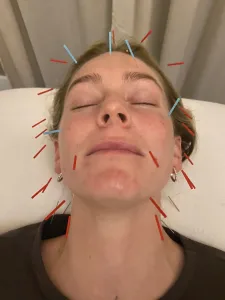
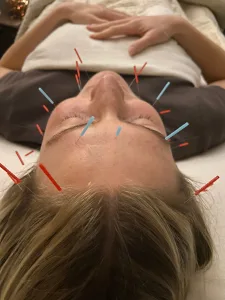
Anxiety is one of the most common health concerns I see in my practice. In fact, according to Bandelow & Michaelis (2015), nearly one-third of people will experience an anxiety disorder at some point in their lives, with lifetime prevalence estimated at 33.7%.

Feeling anxious from time to time is a normal human response. Stressful life events, uncertainty, and major transitions can naturally bring up worry or fear. Anxiety becomes a problem when those feelings become overwhelming, don’t match the situation, or begin to interfere with daily life, especially sleep, focus, work, or relationships. Mild anxiety may feel like restlessness or unease, while more severe anxiety can be exhausting and debilitating. 

Anxiety is a broad term that includes several related conditions. While each type looks a little different, they often share common symptoms such as persistent worry, nervousness, tension, and fear.

Generalized Anxiety Disorder (GAD) 

  • GAD involves ongoing, excessive worry about everyday things, often feeling “on edge” even when there’s no clear reason for concern (Zinbarg et al., 2023).

Social Anxiety Disorder (Social Phobia)

  • It is marked by fear of being judged, embarrassed, or scrutinized in social situations, which may lead to avoidance and isolation (Zinbarg et al., 2023).

Panic Disorder 

  • It is defined by recurrent, unexpected panic attacks which are sudden urges of severe fear or discomfort with physical symptoms like shortness of breath, dizziness, and heart palpitations. This diagnosis has been documented as part of the major anxiety disorders in psychiatric research (Zinbarg et al., 2023).

Phobias 

  • Involve tense fear of specific objects or situations, such as heights, flying, or medical procedures, that disrupt daily life (Martin, 2003). 

Obsessive -Compulsive Disorder

  • It is characterized by intrusive thoughts and repetitive behaviors that drive significant anxiety and distress (Martin, 2003).

Post -Traumatic Disorder (PTSD)

  • Post-Traumatic Disorder can develop after exposure to life-threatening or traumatic events, causing persistent anxiety, flashbacks, and emotional distress (Martin, 2003).

How Acupuncture Can Help?

A growing body of clinical research suggests that acupuncture can be a safe, non-pharmological approach to reducing anxiety symptoms, improving sleep, and supporting emotional well-being either alone or alongside conventional care.


Evidence from Clinical Research

A recent meta-analysis of randomized controlled trials found that acupuncture significantly reduces anxiety symptoms in people with generalized anxiety disorder compared with sham or controlled conditions, including improvements in anxiety severity, sleep quality, and mood scores. These results support acupuncture as a legitimate complementary option for anxiety relief (H. Jiang & Ma, 2025). Additionally, other systematic reviews show that acupuncture treatments over several weeks are generally well tolerated and associated with meaningful reductions in anxiety symptoms, reinforcing what many patients report in practice (X. Yang et al., 2021).

For trauma-related anxiety such as PTSD, recent clinical trials have specifically looked at acupuncture for veterans and other trauma populations, showing benefits in anxiety, sleep, and related symptoms compared with baseline measures (Hsiao et al., 2025)

During your visit at Ageless Acupuncture, we’ll take a thorough look at your symptoms, lifestyle, and overall health. Using gentle, targeted acupuncture, we work to restore balance, reduce stress, and support your body’s natural ability to heal, so you can feel calmer and more resilient under the care of a licensed acupuncturist in Charleston. 


References:

  • Bandelow, B., & Michaelis, S. (2015). Epidemiology of anxiety disorders in the 21st century. Dialogues in clinical neuroscience, 17(3), 327–335. https://doi.org/10.31887/DCNS.2015.17.3/bbandelow
  • Hsiao, A.-F., Lai-Trzebiatowski, J., Smith, T., Calloway, T., Aden, C., Jovanovic, T., Smith, B., Carrick, K., Munoz, A., Jung, M., & Hollifield, M. (2025). Acupuncture for Anxiety, Depression, and Sleep in Veterans with Combat-Related Posttraumatic Stress Disorder: A Randomized Controlled Trial. Journal of Clinical Medicine, 14(10), 3443. https://doi.org/10.3390/jcm14103443
  • Jiang, H., Ma, R., Huang, Y., Li, X., & Hao, Y. (2025). Efficacy of acupuncture versus sham acupuncture on generalized anxiety disorder: a meta-analysis of randomized controlled trials. Frontiers in neurology, 16, 1682400. https://doi.org/10.3389/fneur.2025.1682400
  • Martin P. (2003). The epidemiology of anxiety disorders: a review. Dialogues in clinical neuroscience, 5(3), 281–298. https://doi.org/10.31887/DCNS.2003.5.3/pmartin
  • Yang, X. Y., Yang, N. B., Huang, F. F., Ren, S., & Li, Z. J. (2021). Effectiveness of acupuncture on anxiety disorder: a systematic review and meta-analysis of randomised controlled trials. Annals of general psychiatry, 20(1), 9. https://doi.org/10.1186/s12991-021-00327-5
  • Zinbarg, R. E., Williams, A. L., Kramer, A. M., & Schmidt, M. R. (2023). Generalized Anxiety Disorder, Panic Disorder, Social Anxiety Disorder, and Specific Phobia. Oxford University Press EBooks, 147–180. https://doi.org/10.1093/med-psych/9780197542521.003.0007

Arthritis

Arthritis: How to Understand It and Find Real Relief 

Living with arthritis pain whether it’s joint pain, stiffness, or fatigue can make everyday movement harder than it should be. The good news is that you don’t have to tolerate arthritis symptoms, and there are safe, effective ways to manage arthritis pain and improve quality of life. A holistic arthritis approach that blends evidence-based Western medicine with gentle therapies like acupuncture for arthritis can help you stay active and healthy.


What Western Medicine Says About Arthritis

Osteoarthritis (OA) is the most common type of arthritis, affecting millions worldwide. It happens when cartilage between the joints wears down, often in the hands , knees, hips, and spine. Aging, joint injuries, repetitive motion, and genetics all increase risk (Maqbool, 2021). Standard treatment focuses on pain relief, physical therapy, weight management, and sometimes surgery. Anti-inflammatory medications can help but may have side effects with long-term use (Ezzo et al., 2001).

Rheumatoid arthritis (RA) is an autoimmune condition where the immune system attacks the joint lining, causing inflammation and potential long-term damage. RA usually affects the same joints on both sides of the body and is more common in women (Bullock, 2018). Treatment includes disease-modifying drugs, physical therapy, and lifestyle support to reduce inflammation and preserve joint function (WHO, 2023)

How Acupuncture Supports Arthritis Relief

Acupuncture is a safe, evidence-based Eastern therapy that can complement Western treatments. Research shows that people with knee osteoarthritis experienced significant reductions in pain and improvements in function after a series of acupuncture sessions (Manheimer et al., 2006). Systematic reviews support that acupuncture can reduce arthritis pain more than placebo (Ezzo et al., 2001)


How it works:

  • Fine, sterile needles are placed at specific points along energy pathways (meridians) to help unblock Qi, ease tension, and support natural pain regulation (Manheimer et al., 2006)
  • Practitioners may also include herbal remedies, massage or gentle movement therapies like Qi Gong or Tai Chi.
  • Because acupuncture is low-risk, it can be a valuable part of a holistic arthritis approach without side effects (Maqbool, 2021).

The Whole-Body Perspective on Arthritis Relief

From a Traditional Chinese Medicine perspective, arthritis symptoms often reflect imbalances or stagnation in Qi. The goal is to restore balance and support the body’s self- healing capacity, not just mask pain. Combining acupuncture with lifestyle practices like stress management and mindful movement supports both joint health and overall well-being (Manheimer et al., 2006; Ezzo et al., 2001)

Patients in Charleston and Mount Pleasant, SC can benefit from this approach without having to travel far from home. 


References:

  • Abstracts of Reviews of Effects (DARE): Quality-assessed Reviews – NCBI Bookshelf. (n.d.). https://www.ncbi.nlm.nih.gov/books/NBK68735
  • Bullock, J., Rizvi, S. A. A., Saleh, A. M., Ahmed, S. S., Do, D. P., Ansari, R. A., & Ahmed, J. (2018). Rheumatoid arthritis: A brief overview of the treatment. Medical Principles and Practice: International Journal of the Kuwait University, Health Science Centre, 27(6), 501–507. https://doi.org/10.1159/000493390
  • Ezzo, J., Hadhazy, V., Birch, S., Lao, L., Kaplan, G., Hochberg, M., & Berman, B. (2001). Acupuncture for osteoarthritis of the knee: A systematic review. Database of Abstracts of Reviews of Effects (DARE): Quality-assessed Reviews. https://www.ncbi.nlm.nih.gov/books/NBK68735
  • Manheimer, E., Lim, B., Lao, L., & Berman, B. (2006). Acupuncture for knee osteoarthritis—a randomised trial using a novel sham. Acupuncture in Medicine: Journal of the British Medical Acupuncture Society, 24(Suppl), S7–S14. https://doi.org/10.1136/aim.24.suppl.7
  • Maqbool, M., Fekadu, G., Jiang, X., Bekele, F., Tolossa, T., Turi, E., Fetensa, G., & Fanta, K. (2021). An up to date on clinical prospects and management of osteoarthritis. Annals of Medicine and Surgery, 72, 103077. https://doi.org/10.1016/j.amsu.2021.103077
  • World Health Organization. (2023, June 28). Rheumatoid arthritis. https://www.who.int/news-room/fact-sheets/detail/rheumatoid-arthritis


Asthma

Asthma: What It Is and How to Live Better With It

Asthma is a chronic inflammatory lung condition that affects millions of people in the U.S and around the world. In the U.S alone, about 1 in 12 people has asthma that’s over 28 million people, including both adults and children and many still experience attacks each year (Most Recent National Asthma Data | CDC, 2023; American Lung Association, 2025).

Asthma happens when the airways in your lungs get inflamed and overly sensitive, making it harder to breathe. Symptoms include coughing, wheezing, shortness of breath, and chest tightness. These can come and go, often depending on what triggers your inflammation (Goldin & Cataletto, 2024).

At its core, asthma is an inflammatory condition especially in many people with what’s called “type 2 inflammation”, where immune cells and signals cause airway swelling, mucus, and sensitivity (Howell et al., 2023).

Why Managing Asthma Matters 

Asthma flare-ups can be mild or severe, and even life-threatening if not kept under control. Knowing your patterns and triggers is one of the most powerful tools you have. That’s why personalized asthma support including medication, lifestyle steps, breathing practices, stress management, and holistic asthma management is so important.

Taking Charge: A Partnership in Health

You are an active participant in your asthma care, and there are positive steps you can take each day:

  1. Track your asthma symptoms and triggers.
  2. Communicate openly with all your providers, including about herbs, supplements, or treatments like acupuncture.
  3. Follow your tailored treatment plan, whether that includes medications, breathing exercises, diet changes, or stress-reduction practices.

Triggers That Can Spark an Attack 

Asthma symptoms often flare when your airway inflammation is stirred up by things like:

  • Respiratory infections (cold, flu, bronchitis)
  • Allergens like pollen, mold , pet dander, and dust mites
  • Irritants like cigarette smoke, pollution, or strong fragrances
  • Exercise (especially in cold air)
  • Weather changes
  • Stress and strong emotions
  • Certain medications or food activities

These triggers don’t cause asthma itself, but they make the inflamed airways respond more strongly, which is why controlling inflammation is key (Goldin & Cataletto, 2024).

If you’re looking for natural asthma support in Charleston, SC, acupuncture may help reduce inflammation, support lung health, and calm the stress response that impacts breathing — all while working alongside your current treatment plan.

Schedule a consultation today to see if acupuncture for asthma is right for you.

Summary:

Current research suggests that acupuncture — when used as a complementary therapy alongside standard asthma care — may help improve quality of life and some clinical outcomes, but it should not replace proven medications or emergency treatments. High-quality clinical studies are still needed to clarify which patients benefit most and how acupuncture should be optimally integrated into asthma management.

References:

Autoimmune Disease

Autoimmune Diseases Support with Acupuncture

Autoimmune diseases such as Hashimoto’s thyroiditis, lupus, Crohn’s disease, rheumatoid arthritis, and multiple sclerosis occur when the immune system becomes overactive and mistakenly attacks the body’s own tissues. These conditions are often lifelong and can cause symptoms such as chronic pain, fatigue, inflammation, digestive discomfort, and brain fog (NIH, 2023).

An estimated fifty million Americans are living with an autoimmune condition, many of whom experience fluctuating symptoms that move between remission and flare ups (NIH, 2023).

At Ageless Acupuncture, acupuncture is used as supportive therapy to help reduce symptom burden, calm inflammation, and improve overall quality of life while working alongside conventional medical care  (Acupuncture: Effectiveness and Safety, 2022).


Understanding Autoimmune Imbalance

In a healthy immune system, the body can distinguish between its own cells and external threats. In autoimmune disease, this recognition process becomes dysregulated, leading to persistent inflammation and tissue damage over time (NIH, 2023). Autoimmune conditions can affect a single organ or multiple systems and often present differently from person to person. This variability is one reason these conditions can be difficult to manage with standardized treatment approaches alone. 

How Acupuncture May Help

Acupuncture does not cure autoimmune diseases, but research shows it can support shows involved in pain regulation, inflammation control, and nervous system balance.

Scientific studies suggest acupuncture may help:

Rather than stimulating the immune system, acupuncture supports balance and regulation, helping calm an overactive response.


Individualized Care for Autoimmune Conditions

Autoimmune disease does not affect any two people the same way. Acupuncture treatment is personalized based on your symptoms, energy levels, stress patterns, digestion, sleep quality, and overall health goals. This whole-person approach aligns with interactive care models recommended for managing complex chronic conditions (NIH, 2023).


Supporting the Whole Body

In addition to acupuncture, care may include guidance around stress reduction, gentle movement, nutrition, and supportive therapies when appropriate. All recommendations are designed to complement your existing medical care, not replace it, and open communication with your healthcare providers is encouraged.

Living Well with Autoimmune Diseases 

Managing an autoimmune condition can feel unpredictable, but supportive care can make a meaningful difference. Acupuncture offers a low-risk, evidence-informed option to help reduce pain, calm inflammation, and support long-term resilience (Lee et al., 2008; R. Zhang et al., 2013). Research also shows that acupuncture can help regulate stress and improve overall well-being in people managing chronic inflammatory conditions (Kim & Bae, 2010; Acupuncture: Effectiveness and Safety, 2022). By incorporating acupuncture into your care plan, you are choosing a natural approach that supports your body while helping you regain a sense of balance and control  (NIH, 2023).


If you are ready to explore acupuncture as part of your autoimmune care, schedule an appointment today. Your personalized treatment plan will be tailored to your symptoms, support your current medical care, and help you more at ease in your body.


References:

Back Pain

Back Pain: A Natural, Science-Informed Perspective

Back Pain is one of the most common reasons people seek medical care with up to 80%  of adults experiencing it at some point in life, especially low back pain that can linger and become chronic. Persistent back discomfort can limit activity, affect sleep, and reduce quality of life.


How Back Pain Happens

Back pain can come from many sources to strained muscles or ligaments from lifting or sudden movement, arthritis, spinal alignment issues, or bulging disks pressing on nerves. Conventional treatments may include medications, physical, therapy, chiropractic care, or surgery depending on the cause.


What the Research Says About Acupuncture for Back Pain

  • A large randomized clinical trial in 2025 showed that older adults with chronic low back pain who received acupuncture in addition to usual care had better pain outcomes and less disability than those getting usual care alone. Benefits held at 6 and 12 months follow-ups. Acupuncture was also shown to be safe with few adverse effects (DeBar et al., 2025).
  • A systematic review and meta‑analysis found that when acupuncture was added to standard back pain care, people reported clinically meaningful reductions in pain and disability compared with standard care alone (Asano et al., 2022).
  • Another 2024 analysis found that combining acupuncture with core‑strength exercises showed significant improvements in both pain scores and functional ability in people with chronic nonspecific low back pain (X. Li et al., 2024).

Taken together, these studies suggest that acupuncture may be a helpful part of a broader, natural strategy for chronic back pain, especially when combined with other supportive therapies like exercise.


A Natural Approach With Traditional Chinese Medicine

In Traditional Chinese Medicine, practitioners look beyond symptoms. Instead of only treating pain, they aim to understand and address the underlying patterns of imbalance that can contribute to back pain whether that comes from injury, stress, or tension.

Acupuncturists use fine, sterile needles at specific points along meridians to support better energy flow and balance, which can help reduce pain and support overall vitality.


Lifestyle and Self-Care Tips for Back Pain Relief

Alongside acupuncture, many people find relief with everyday habits that support spine health and reduce chronic discomfort.

Posture Habits

  • Stand tall with relaxed shoulders and a neutral pelvis.
  • When sitting, keep your feet flat on the floor and avoid slouching.

Movement and strength

  • Gentle core‑strengthening movements and aerobic activity support lower back strength, flexibility, and circulation.
  • Practices like yoga and Qi Gong can help stretch and stabilize muscles while reducing stress. 

Stress management

  • Chronic stress tightens muscles and increases pain sensitivity.
  • Deep breathing, meditation, and massage can promote relaxation and ease muscle tension.

Natural, Lasting Support

More people are turning to acupuncture and TCM for chronic and acute back pain relief, especially when conventional options haven’t provided lasting results. While it isn’t a quick fix for everyone, many find that it offers safer, drug‑free pain relief and improved function as part of a whole‑body approach.

If you or a loved one are struggling with back pain and want natural, evidence‑informed care, acupuncture might be a valuable part of your healing plan.


References:

  • Asano, H., Plonka, D., & Weeger, J. (2022). Effectiveness of Acupuncture for Nonspecific Chronic Low Back Pain: A Systematic Review and Meta-Analysis. Medical acupuncture, 34(2), 96–106. https://doi.org/10.1089/acu.2021.0057
  • DeBar, L. L., Wellman, R. D., Justice, M., Avins, A. L., Beyrouty, M., Eng, C. M., Herman, P. M., Nielsen, A., Pressman, A., Stone, K. L., Teets, R. Y., & Cook, A. J. (2025). Acupuncture for Chronic Low Back Pain in Older Adults: A Randomized Clinical Trial. JAMA network open, 8(9), e2531348. https://doi.org/10.1001/jamanetworkopen.2025.31348
  • Li, X., Zhai, G., Zhang, H., Li, X., Wu, M., Zhang, S., Cui, J., Tang, Z., & Hu, Z. (2024). Clinical efficacy of acupuncture therapy combined with core muscle exercises in treating patients with chronic nonspecific low back pain: a systematic review and meta-analysis of randomized controlled trials. Frontiers in Medicine, 11, 1372748. https://doi.org/10.3389/fmed.2024.1372748


Cancer Care

Cancer Care: Support for Your Body, Mind, and Healing Journey

Hearing the word cancer can feel overwhelming. It can bring fear, uncertainty, and a loss of control—especially in the early days after diagnosis. While cancer is a serious condition, many people today live longer and fuller lives thanks to earlier detection and advances in medical care. There are more effective treatments than ever to slow disease progression, manage symptoms, and support overall quality of life.

Alongside conventional cancer treatments, many people also seek natural cancer support to help their bodies cope physically and emotionally. Acupuncture and Traditional Chinese Medicine (TCM) are commonly used as part of integrative cancer care, working alongside and not instead of standard medical treatment.

Understanding Cancer Treatments and Their Side Effects

Cancer is a group of diseases in which abnormal cells grow uncontrollably and damage healthy tissue. There are over 100 types of cancer, often named for where they begin in the body, such as breast, lung, colon, prostate, or skin cancer.

Treatment plans vary depending on cancer type, stage, and overall health, and may include:

  • Surgery, to remove cancerous tissue when possible
  • Chemotherapy, which uses medications to destroy or slow cancer cells
  • Radiation therapy, which targets cancer cells with high-energy radiation
  • Immunotherapy or biological therapies, which help the immune system recognize and attack cancer cells

While these treatments can be life-saving, they often come with side effects such as fatigue, nausea, pain, hot flashes, sleep disturbances, anxiety, and digestive issues (National Cancer Institute [NCI], 2024).

Whole-Person Support During Cancer Treatment

In addition to acupuncture, care may also include:

  • Acupressure or therapeutic bodywork
  • Nutritional and lifestyle guidance
  • Gentle movement or breathing practices
  • Stress-reduction support

Your care is always coordinated with your medical team, and open communication about medications, supplements, and treatments is essential to avoid interactions and ensure safety.

A Traditional Chinese Medicine Perspective: Supporting the Body’s Strength

In Traditional Chinese Medicine, cancer support focuses on strengthening the body’s ability to heal and recover. This approach is often described by the principles of Fu Zheng Gu Ben, which means supporting the body’s core strength and resilience.

Rather than targeting disease alone, TCM aims to:

  • Support immune function and recovery
  • Improve circulation and energy flow
  • Reduce inflammation and stagnation
  • Restore balance between physical, emotional, and mental health

This whole-person approach is especially helpful during cancer treatment, when the body is under significant stress.

How Acupuncture Can Support Cancer Care

Acupuncture for cancer support has been widely studied and is commonly used in integrative oncology settings. Research shows acupuncture may help reduce treatment-related side effects and improve quality of life when used alongside conventional care.

According to the National Institutes of Health, acupuncture has been shown to help manage:

  • Chemotherapy-related nausea and vomiting
  • Cancer-related fatigue
  • Post-surgical pain
  • Anxiety, stress, and sleep disturbances

(National Center for Complementary and Integrative Health [NCCIH], 2023)

More recent reviews and clinical guidelines support acupuncture as a safe complementary therapy for symptom relief in people undergoing cancer treatment (Garcia et al., 2013; Rossi et al., 2021).

Importantly, acupuncture is non-invasive, drug-free, and generally well tolerated, making it a gentle option for people navigating cancer treatment.


Treating the Person, Not Just the Diagnosis

Cancer care is about more than treating disease, it’s about supporting you. A holistic approach considers your physical symptoms, emotional well-being, stress levels, and overall lifestyle. By addressing the whole person, integrative cancer care helps you feel more supported, more resilient, and more empowered throughout your healing journey.

If you’re looking for acupuncture for cancer support in Charleston, SC, this approach may help ease side effects, support recovery, and improve quality of life while you continue with your medical treatment plan.


References:


Carpal Tunnel

Carpal Tunnel Syndrome: A Natural Approach with Acupuncture in SC

Do you feel tingling or numbness in your hand or fingers? Pain that travels from your wrist up your arm? Maybe holding small objects has become harder. These are common sights of Carpal Tunnel Syndrome, a condition where the median nerve in the wrist gets compressed and causes discomfort that can impact your daily life.

Carpal tunnel is common and millions of adults experience it and while conventional medicine often uses wrist splints, medications, or even surgery, many people want safe, natural options too.  That’s where acupuncture and Traditional Chinese Medicine (TCM) come in, especially here in South Carolina (acupuncture in Charleston) where many patients are finding relief without drugs or invasive procedures.

Understanding CTS Simply

The carpal tunnel is a narrow passage in your wrist that houses the median nerve, which gives feeling to your thumb and first three fingers and helps you grasp things. When swelling from repetitive use or injury presses on that nerve, you get symptoms like:

  • Numbness, tingling, or burning in your fingers
  • Pain in the wrist that may extend up the arm
  • Weakness or dropping objects easily

Repetitive tasks involving wrist movement (like typing, texting, or assembly line work) are common triggers (Glazer & Pantea, 2019).

How Acupuncture Can Help

Patients often ask: “Can acupuncture really do something for CTS?” The research is growing, and while we always want the highest-level evidence, here’s what current science shows:

  • Acupuncture may reduce pain and improve nerve functions

Some studies find that acupuncture plus a wrist splint helped clinical symptoms and nerve function more than splints alone. In one clinical trial, people receiving acupuncture showed decreases in pain scores and improvements in how the nerve looked on ultrasound after treatment.

  • Research suggests acupuncture compares favorably to standard treatments

A 2015 trial reported that acupuncture reduced pain and improved symptom questionnaires more than ibuprofen in people with mild to moderate CTS.

  • Systematic reviews support acupuncture as an option especially with other care 

What You Can Do Every Day  

Alongside professional acupuncture care, simple lifestyle changes make a real difference:

  • Taking breaks from repetitive work even short pauses help.
  • Stretch your hands, wrists, and shoulders gently throughout the day
  • Check your workstation setup, proper ergonomics can reduce strain
  • Stay active, practices like gentle yoga or physical therapy support flexibility
  • Ask about supplements (like B vitamins and omega-3s) that may support nerve health.

These natural approaches empower you to take an active role in your healing journey.

Recent meta-analyses indicate that acupuncture can be effective when used alongside conventional treatments like night splint, and may offer greater pain relief than night splinting alone in some cases (Dong et al., 2023).

While the quality of research varies, these results suggest acupuncture has potential benefit for CTS symptoms without the side effects often associated with medications or surgery.

What to Expect & Bottom Line

When you receive acupuncture from a licensed practitioner in South Carolina, your care is always personalized. During treatment, fine and sterile needles are gently placed at specific points to support your body’s natural healing response, reduce inflammation, and improve nerve communication. Many patients also notice that acupuncture helps calm the nervous system, making it easier to cope with the stress that often comes with chronic pain.

Carpal Tunnel Syndrome doesn’t have to control your life. Acupuncture offers a safe, drug-free option that many people find helpful especially when paired with healthy lifestyle habits and supportive care. If you’re exploring acupuncture for carpal tunnel in SC, a consultation with a licensed acupuncturist at Ageless Acupuncture can help determine whether this natural approach aligns with your goals.

References:

  • Dong, Q., Li, X., Yuan, P., Chen, G., Li, J., Deng, J., Wu, F., Yang, Y., Fu, H., & Jin, R. (2023b). Acupuncture for carpal tunnel syndrome: A systematic review and meta-analysis of randomized controlled trials. Frontiers in Neuroscience, 17, 1097455. https://doi.org/10.3389/fnins.2023.1097455
  • Hadianfard, M., Bazrafshan, E., Momeninejad, H., & Jahani, N. (2015). Efficacies of Acupuncture and Anti-inflammatory Treatment for Carpal Tunnel Syndrome. Journal of Acupuncture and Meridian Studies, 8(5), 229–235. https://doi.org/10.1016/j.jams.2014.11.005
  • Ural, F. G., & Öztürk, G. T. (2017). The Acupuncture Effect on Median Nerve Morphology in Patients with Carpal Tunnel Syndrome: An Ultrasonographic Study. Evidence-based complementary and alternative medicine : eCAM, 2017, 7420648. https://doi.org/10.1155/2017/7420648

Colds & Flu

Stay Healthy This Cold & Flu Season with Natural Support in Charleston, SC

Every year, hundreds of people in Charleston, SC, face the discomfort of colds and flu. Fever, sore throat, congestion, fatigue, body aches, and coughing are all-too-common symptoms. While colds are usually milder than the flu, both can take a toll on your energy and overall well-being.

If you’re looking for natural cold and flu treatment in Charleston, acupuncture and Traditional Chinese Medicine (TCM) offer safe, drug-free ways to support your body’s immune system and recover faster.

Enhance Immunity with Acupuncture in Charleston

Acupuncture strengthens your body’s natural defenses, or Wei Qi, which functions like the immune system in Western medicine. When Wei Qi is strong, your body is more resilient to colds and flu. When it’s depleted, you’re more likely to get sick.

Research shows that acupuncture can reduce the incidence of upper respiratory infections and shorten the duration of colds and flu (B. Lee et al., 2025). By targeting specific acupoints, acupuncture helps regulate immune function, reduce inflammation, and promote overall wellness.

In Charleston, acupuncture is increasingly used as a holistic cold and flu treatment, especially for patients who want drug-free immune support.

Along with acupuncture, these simple habits can help keep your immune system strong during cold and flu season:

  • Drink plenty of water. Staying hydrated helps your body fight off germs and keep everything working smoothly. Research suggests proper hydration supports immune function.
  • Move your body. Regular exercise improves circulation and supports immune health. Studies show that moderate activity can reduce the risk of infections.
  • Eat nutritious foods. Colorful vegetables like carrots, broccoli, sweet potatoes, garlic, and tomatoes are packed with vitamins and antioxidants that support immunity (Ceylan, 2025).
  • Limit sugar. Too much sugar can temporarily weaken the immune system, making it harder to fight off viruses (National Nutrition, 2024).
  • Support with vitamins or herbs. Research shows vitamin C and certain herbal supplements can help support immune health, especially during cold and flu season.
  • Get enough sleep. Sleep is essential for your immune system to function properly. People who consistently get enough rest tend to recover faster from illness (Rathaur et al., 2020).
  • Manage stress. Chronic stress can interfere with immune function. Relaxation, fun activities, and mindfulness all help keep your defenses strong (National Nutrition, 2024).

Keep up with acupuncture at Ageless Acupuncture in Charleston, SC. Studies suggest acupuncture may enhance immune function and help your body respond more effectively to seasonal illnesses.

Why Choose Acupuncture & TCM in Charleston

Acupuncture for cold and flu relief at Ageless Acupuncture in Charleston is drug-free, safe, and effective. It supports your body’s natural self-regulating and healing systems, helping you recover faster if illness occurs and reducing the risk of prolonged symptoms.

By strengthening Wei Qi and balancing your body’s internal systems, acupuncture helps your organs and meridians function optimally — improving not just your immunity, but your overall vitality and wellness.

If you want a natural, holistic approach to preventing and treating colds and flu in Charleston, SC, acupuncture and TCM can be an essential part of your self-care routine.

References:

Depression

Understanding Depression And How Holistic Care Can Help

Depression is one of the most common mental health challenges people face around the world. It affects millions of adults every year, with long‑lasting feelings of sadness, discouragement, or hopelessness that can make daily life feel heavy and overwhelming. According to the World Health Organization (WHO), an estimated 5.7% of adults experience depression serious enough to affect their well‑being and quality of life.

Many of us have felt low at times and that’s part of being human. But when those feelings persist day after day and don’t lift with time, you may be dealing with clinical depression, not just a passing mood. The good news is that depression is treatable, and there’s growing research showing that acupuncture and holistic depression treatment options can play a supportive role alongside other care.


How Acupuncture Helps with Depression

Research continues to explore how acupuncture for depression works in real people. A recent study of randomized trials found that acupuncture led to greater improvements in depressive symptoms compared to standard care in many studies and more importantly, with fewer side effects than typical antidepressant medication (Tan et al., 2024).

Another major review of clinical research also found that acupuncture, whether used alone or with conventional treatments, often had beneficial effects on mood symptoms and was safe in a clinical setting. A recent study on depression by D. Ni et al. (2025) also suggests that acupuncture may influence the body’s stress and inflammatory responses  which are increasingly understood to play a role in mood disorders  although more research is still needed to clarify how this happens.  All of this means that acupuncture in Charleston, SC can be considered a natural, drug-free option for supporting your emotional balance especially if you’re looking for a holistic depression treatment alongside therapy, lifestyle changes, or medication.

What Happens in a Holistic Depression Treatment Plan

When you work with a licensed acupuncturist, you’ll talk about your full story and not just your mood but your sleep, energy, stress, digestion, and overall wellness. That gives your practitioner a better understanding about your body and your emotions being interconnected.

From there, your treatment plan might include:

  • Acupuncture sessions tailored to your symptoms
  • Gentle bodywork or massage if appropriate
  • Recommendations for supportive herbs or supplements
  • Lifestyle guidance around stress, sleep, and self‑care

The goal isn’t just to “fix a feeling” — it’s to help your whole system find balance so that your mood, body, and mind can work better together. Because depression often involves layers of stress, sleep disruption, inflammation, and nervous system imbalance, a holistic approach can be particularly supportive.


Tips to Support Your Mood Naturally 

Alongside acupuncture and Charleston acupuncture care, these simple habits are backed by research and can help your mood and emotional health:

  • Connect with supportive people: Strong relationships help buffer stress and improve resilience.
  • Breathe and slow down: Avoid major life changes all at once when you’re struggling.
  • Get moving: Even 20 minutes of walking or gentle exercise several times a week can help lift mood and reduce depressive symptoms (Garone, 2025).
  • Prioritize sleep: Poor sleep and mood are strongly linked since getting regular, restful sleep can make a big difference over time (Du et al., 2024).

Remember, you’re not alone. Depression affects many people, and reaching out for different forms of care including acupuncture, counseling, medication, lifestyle changes, and social support can give you a stronger recovery.


References:

  • World Health Organization: WHO & World Health Organization: WHO. (2025, August 29). Depressive disorder (depression). https://www.who.int/news-room/fact-sheets/detail/depression
  • Tan, Y., Duan, R., & Wen, C. (2024). Efficacy of acupuncture for depression: a systematic review and meta-analysis. Frontiers in neuroscience, 18, 1347651. https://doi.org/10.3389/fnins.2024.1347651
  • Zhang, Z., Li, S., Meng, H., Wang, Y., Zhang, Y., Wu, M., Chen, Y., Rong, P., & Wang, Y. (2021). Efficacy and safety of acupuncture in the treatment of depression: A systematic review of clinical research. Anatomical record (Hoboken, N.J. : 2007), 304(11), 2436–2453. https://doi.org/10.1002/ar.24783
  • Ni, D., Zhang, J., Qi, R., Huang, Y., Li, M., & Duan, L. (2025). Effect of acupuncture on neuroinflammatory responses in depression animals: a systematic review and meta-analysis. Frontiers in psychiatry, 16, 1624648. https://doi.org/10.3389/fpsyt.2025.1624648
  • Garone, S. (2025, January 7). Study: Taking this many steps each day can Improve Mental Health. Health. https://www.health.com/step-count-reduce-depression-study-8769848
  • Du, Y., Wang, M., Wang, Y. et al. The association between dietary quality, sleep duration, and depression symptoms in the general population: findings from cross-sectional NHANES study. BMC Public Health 24, 2588 (2024). https://doi.org/10.1186/s12889-024-20093-9


Diabetes

Chances are that you or someone you know has been affected by diabetes. It’s an increasingly common condition—one that approximately 1.3 million people in the U.S. will be diagnosed with this year alone. While it is generally a long-term condition, diabetes can be managed through self-care, nutrition, and medication. Another safe, effective approach to managing diabetes and its symptoms is acupuncture. Acupuncture and Traditional Chinese Medicine (TCM) help promote health and well-being. Both can be used safely along with your current medical treatment to provide the best results for you.

Understanding a complex condition

The body gets its energy from food through the process of digestion. Food is broken down into glucose (or sugar) which passes into the bloodstream. Then the glucose is moved into muscle, fat, and liver cells by the hormone insulin, which is produced by the pancreas. However, if you have diabetes, your body either does not produce enough insulin, or doesn’t respond to it properly, and this leads to high levels of sugar in the blood.

Uncontrolled blood-sugar levels can cause serious complications if left untreated, including blindness, heart attack, stroke, kidney failure, amputations, and nerve damage.

There are two main types of diabetes

Type I diabetes: Usually diagnosed during childhood, type I is an autoimmune disease in which the body’s immune system attacks insulin-producing cells. Symptoms usually come on suddenly, and treatment includes daily injections of insulin.

Symptoms of Type II Diabetes include:
  • Increased thirst
  • Increased urination
  • Increased appetite
  • Fatigue
  • Blurred vision
  • Slow-healing infections
  • Impotence in men

Type II diabetes: This type accounts for 90-95% of all diabetes cases, and is usually diagnosed during adulthood. Major risk factors include family history, having high blood pressure or high cholesterol and being overweight and sedentary.

Since symptoms may be mild, many people don’t know they have diabetes, which is why it’s important to get tested regularly, especially after age 45. Testing can also detect pre-diabetes, where blood sugar is high, but not yet at diabetic levels. With early detection and treatment, it is far easier to stop the disease from progressing, control your symptoms, and prevent complications. Treatments often include regular blood-sugar monitoring and medications to control blood sugar, as well as diet and exercise.

Diabetes according to Traditional Chinese Medicine (TCM) goes beyond a simple diagnosis of Type I or Type II diabetes.

Below are some of the more common TCM diagnoses that your acupuncturist may discover and treat.

  • Upper Wasting
  • Middle Wasting
  • Lower Wasting
  • Spleen deficiency
  • Liver Qi Stagnation

A natural approach that works

The good news is that certain types of diabetes respond very well to acupuncture along with other holistic health care choices and lifestyle changes—sometimes even making medications unnecessary.

Acupuncture and TCM can help put you on the path to a healthier lifestyle. Since diabetes has an impact on every part of your body, it makes sense to try a therapy that takes a holistic, or whole-body, approach to health.

According to TCM, Qi (pronounced “chee”) is the vital energy that animates the body and protects it from illness. Qi flows through pathways called meridians and provides nourishment to all of the body’s organs and glands. When there is an imbalance or blockage in the flow of Qi, symptoms associated with diabetes may appear.

According to TCM, diabetes is known as “Xiao Ke” or “wasting and thirsting disease”, caused by an imbalance of Qi and Yin. This produces heat which drains and consumes the body’s fluids. That is why symptoms related to heat appear—excessive thirst, irritability, itchy skin, dry mouth and red, swollen gums.

During treatment, fine, sterile needles will be inserted in specific acupuncture points along the meridian pathways in order to restore the flow of Qi and nourish Yin. This can ultimately relieve symptoms, improve pancreatic function and control blood sugar levels. Your acupuncturist will also work to resolve other imbalances or concerns that may be complicating your condition, and can help with common symptoms such as pain.

In addition to acupuncture care, your practitioner may offer recommendations for dietary changes, exercise plans, and herbal remedies.

Acupuncture and TCM address each patient’s individual needs in eliminating symptoms and potentially reduce the need for medication. The best approach to controlling your diabetes is to work with a team of health care providers who can address the many aspects of diabetes. Including an acupuncturist to your team—and working together to manage your diabetes—can have lasting benefits and help you live a healthy, active life.


Choate, C. Diabetes Mellitus From Western and TCM Perspectives. Accessed 2/10/2007.
Diabetes. U.S. National Library of Medicine Medical Encyclopedia. 2/8/2007.
Diabetes Overview and Facts. WebMD. Accessed 6/9/2007.
Treating Diabetes with Acupuncture and Chinese Medicine. Acufinder.com. Accessed 6/4/2007.

Facial Rejuvenation

Acupuncture and Traditional Chinese Medicine (TCM) can provide a safe, effective, natural, and drug-free approach to reducing the signs of aging. A facial rejuvenation using this ancient technique can improve muscle tone of the face and neck while addressing underlying imbalances that may have contributed to the aging process.

Why does skin sag?

According to TCM, wrinkles begin internally from a constitutional imbalance and fundamental weakness of Qi (pronounced “chee”). Qi circulates throughout the body within a series of pathways called meridians. Flowing through these pathways, Qi provides nourishment, support, and energy to every cell, tissue, muscle, and organ.

As we get older it becomes more difficult for Qi to flow upwards to “lift” the face. This leads to inadequate muscle tone, and over time, wrinkles and sagging skin. A variety of factors can contribute to this—poor diet, digestion and circulation, or emotional and environmental stresses.

Give your skin a lift

A facial rejuvenation using acupuncture, tightens pores, improves muscle tone and dermal contraction, while enhancing and increasing the elasticity of the skin. Acupuncture can reduce signs of aging by strengthening and stimulating the circulation of Qi within the meridian pathways, especially those of the face. You will look and feel more energetic, calm, vibrant and healthy.

Acupuncture treatments may be combined with herbal supplements, exercise and acupressure in order to maximize results.

Facial rejuvenation with acupuncture and TCM is virtually painless, and a non-surgical method to reduce the signs of aging. Before using drugs or surgery to improve appearance, consider acupuncture. It is an effective, natural, safe, drug free and painless alternative. It helps your whole body to look and feel younger.

Self-care techniques:

1) Herbal poultice—Thoroughly clean face. Make a poultice using equal parts of ground organic almonds, lavender and rose flowers, ground flax seeds, and oats. Add water and French clay, and stir into a thick paste. Apply to the face, avoiding the eyes, and let dry. Wash off after 15-20 minutes.

2) Stay hydrated— drink plenty of fresh spring water. This can keep the muscles and skin hydrated to prevent drying.

3) Gently massage the face.

4) Walk at least 20 minutes a day, and remember to breathe deeply.


Fertility

The treatment of infertility with acupuncture and Traditional Chinese Medicine (TCM) dates back 2,000 years. These ancient, time-tested techniques improve fertility rates and support a woman’s whole body, unlocking unlimited potential for health, healing and childbearing.

Studies reported by The American Pregnancy Association suggest that the most effective fertility treatments involve a combination of acupuncture, herbal medicine, and traditional medical interventions. However, conception does sometimes occur without traditional medical interventions when acupuncture and herbal medicines are used alone.1

Researchers from Weill Cornell Medical Center in New York reviewed recent studies and concluded that acupuncture helps to:

  • Increase blood flow to the uterus, which improves the chances of an ovum implanting on the uterine wall.
  • Reduce anxiety and stress. The hormones that are secreted during stressful situations can significantly decrease fertility.
  • Normalize hormone and endocrine systems that regulate ovulation, especially in women with polycystic ovarian syndrome.
  • Positively affect the hypothalamic-pituitary-ovarian axis, which plays a key role in fertility.
  • Regulate menstrual cycle.2

In a 2007 study, researchers found that acupuncture may improve the quality of life in patients undergoing in vitro fertilization (IVF). It was also found that women receiving acupuncture reported significantly
less abdominal pain, other pain, nausea, and stress two hours after
oocyte aspiration (egg collection) compared to women receiving conventional analgesia.3

In 2008, the British Medical Journal published research which
concluded that acupuncture can be offered as a significant, clinically relevant adjunct to IVF, relaxing the uterus and increasing blood flow
for the successful implantation of an embryo within the uterine lining.4

An acupuncturist’s approach to fertility.

According to the theories of acupuncture and TCM, infertility is caused by an imbalance of Qi (pronounced “chee”) and blood affecting the healthy functioning of one or more of the organ systems. When Qi, also known as our vital energy, and blood are circulating freely throughout the body, every cell, tissue and organ is properly nourished and can function well. Acupuncture and TCM can raise the fertility potential of women by effecting the quality, quantity, balance and flow of Qi and blood (keep in mind that the organs described reflect Chinese medical theories and philosophies).

Kidney Organ System. The release of an ovum is controlled by the kidneys. The kidneys also create a substance called Jing Qi, which is required in order to have a healthy body, mind, and pregnancy. If an imbalance exists within the kidneys, Jing Qi may be inadequate in supply and may be a cause for infertility. Chinese herbal medicine, along with acupuncture, can nourish and support Jing Qi and overall kidney health.

Spleen Organ System. An adequate supply of blood is required by a woman’s body to sustain a normal menstrual cycle, a growing fetus, and a healthy pregnancy. Disharmony within the spleen can result in an inadequate supply and imbalance of blood. Acupuncture and Chinese herbs can build and nourish blood in order to promote a healthy flow
of blood to the uterus.

Liver Organ System. In order to conceive and have a healthy pregnancy, it is important to have a free flow of Qi and blood throughout the body. The liver is in charge of facilitating this function. When it is out of balance, areas of the body will not receive the required supply of Qi and blood. This imbalance can lead to depression, anxiety, stress and increased possibility of infertility.

Acupuncture and TCM provide a safe, effective, drug-free, and natural approach to treating infertility and enjoying a healthy pregnancy. Here are a few reasons to try acupuncture and Traditional Chinese Medicine:

  • An acupuncturist does not treat just symptoms and signs, but instead activates the body’s natural healing potential by treating
    the root causes that have lead to the problem or disease.
  • Acupuncture and TCM are completely natural. No drugs are ever used. Invasive procedures and drug therapies that are used in the Western treatment of infertility can cause undesirable side effects and accumulated toxicity in the body.
  • Acupuncture and TCM can be used to strengthen, support, and balance overall health and well-being, therefore can increase the effectiveness of other procedures.
Also consider acupuncture during your pregnancy and birth. According to the World Health Organization, acupuncture has been found useful for relieving labor pain, nausea, vomiting, and significantly reducing the duration of labor. There is also strong evidence that acupuncture can help with a breech birth.5,6
  1. American Pregnancy Association. http://www.americanpregnancy.org/infertility/acupuncture.htm.
  2. Five ways acupuncture can boost fertility. Prevention.com. 2002.
  3. Alternative Therapies, May/June 2007, Vol. 13 No.3.
  4. Manheimer, E., et. al. Effects of acupuncture on rates of pregnancy and live birth among women undergoing in vitro fertilization: systematic review and meta-analysis. British Medical Journal. February 2008;336:545-549.
  5. World Health Organization. www.who.int/medicines.
  6. A Manual of Acupuncture. Deadman P. & Mazin Al-Khafaji. Eastland Press, 2007. Page 326.

Fibromyalgia

Fibromyalgia affects about 3-6% of the world’s population, an estimated 200-400 million people worldwide, with higher numbers among women than men.1 People diagnosed with fibromyalgia experience a wide range of symptoms, including fatigue, pain, stiffness, aches and muscle tenderness, along with sleep disorders and intestinal and bowel troubles.

The diagnosis of fibromyalgia can be confirmed when eleven out of eighteen specific points on the body are tender to pressure. Interestingly, some of these tender points closely correspond to the location of ancient acupuncture points.2

How acupuncture and Chinese medicine can help.

According to
the theories of acupuncture and Chinese medicine, an imbalance in the flow of Qi can create symptoms and signs that reflect a Western diagnosis of fibromyalgia. Qi (pronounced “chee”) is the vital energy that animates and supports the functions of the body. It flows through specific pathways, called meridians,
and provides nourishment
for the entire body.

When Qi is abundant and freely circulating throughout the body, there is health and pain-free living. When Qi becomes “blocked,” or the supply is inadequate, pain, stiffness
and other symptoms related to fibromyalgia can appear.

What does an acupuncturist do?

An acupuncturist will take a complete health history in order to find out where Qi has become blocked, and/or why the amount of Qi within the body has changed. He or she will then develop a treatment plan tailored to address the meridian pathways that are out of balance. The goal of such a plan will be to eliminate visible symptoms, while addressing the root cause(s) and underlying imbalances.

What is out-of-balance?

The body constantly strives to maintain a healthy balance of Qi traveling through the meridian pathways. When the flow of Qi has been disrupted, or the supply of Qi has changed, the body becomes unbalanced and the meridians cannot properly nourish the body. This is when signs and symptoms appear.

Most cases of fibromyalgia fit into the Chinese diagnosis of a Liver, Spleen, and/or Heart disharmony. This does not mean that these organs have a problem, it means that the functions of these organ/meridian pathways according to Chinese medical diagnosis are out of balance.

Liver. The functions related to the Liver organ, according to Chinese medicine, are to control the smooth flow of blood, Qi, and emotions and to nourish the tendons. When the Liver meridian becomes blocked there will be an inadequate supply of blood and Qi flowing throughout the body. The tendons and muscles will not be properly nourished, leading to stiffness and pain. Other symptoms of a blocked Liver are depression, anger, anxiety, and insomnia. A Liver imbalance may be caused by improper diet, stress, deep, unexpressed anger, drugs, and alcohol.

Spleen. The Chinese function of the Spleen is to transform the food that we ingest into Qi and blood. The health of the Spleen is affected by diet, over-concentration, and worry. An unbalanced Spleen can result in fatigue, digestive troubles, muscle stiffness, and pain.

Heart. When there is an insufficient amount of Qi and blood produced by the Spleen, the Heart organ will be affected. The role of the Heart is to pump blood throughout the body. It is also considered to be the home of the Spirit. If the Spleen cannot generate enough blood to nourish the Heart, the Heart Qi does not have enough control to properly house the Spirit. Symptoms can include anxiety, palpitations, insomnia, and emotional unrest.

A study conducted in 2010, suggests that acupuncture treatment is effective in relieving pain and improving quality of life for fibromyalgia patients.3 Not only can Acupuncture treat the pain and discomfort, but it can also address the underlying problems that have caused the imbalance.
In other research, subjects who received acupuncture experienced an overall improvement in fatigue, anxiety and the hypersensitivity associated with fibromyalgia.4

Acupuncture and Chinese medicine can provide a safe alternative in
the effective treatment of fibromyalgia. Along with acupuncture, natural herbal formulas, dietary recommendations and calming exercises can also help promote balance and health.


References

  1. National Fibromyalgia Association.
  2. http://www.mayoclinic.com/health/fibromyalgia-symptoms/AR00054.
  3. Itoh K, Kitakoji H. Effects of acupuncture to treat fibromyalgia: A preliminary randomised controlled trial. Chinese Medicine Journal. 2010, 5(1):11.
  4. Sletten, C., Berger, I., et al., Mayo Clinic Proceedings Report, June 2006.

Headaches

If you suffer from headaches, you are not alone. Over 50 million of us experience some form of a severe headache at some point in our lives. Whether you experience minor head pain or severe migraines, headaches can take valuable time out of your day and your life, and leave you searching for relief.

One way to seek relief is by reaching for drugs and other medications. This is fine for the short run, and can help you get out of pain fast. Unfortunately, common headache medications do not address the root cause(s), and when used over long periods of time can cause unwanted side effects.

Acupuncture and Traditional Chinese Medicine (TCM) offer a safe and effective approach to relieving headache pain, without causing harmful side effects, and incorporate a comprehensive diagnostic protocol that can help your acupuncturist understand and address the root cause(s)
of your headaches.

Understanding headache types.

There are many factors in TCM theory that may play a key role in the root cause(s) of a headache.
These include body constitution, emotional health, excessive work,
social and exercise activities, improper diet, physical trauma and hormones. Headaches can also be diagnosed according to specific symptoms, times of occurrence, location on the body, type of pain, triggers and remedies which provide relief.

A natural path to relief.

Acupuncture and TCM takes a holistic, or whole-body approach to health. Your practitioner will take a detailed health history, and perform a physical exam to determine how and why your body’s vital energy, or Qi, is out of balance and identify what type of headache you are experiencing. He/she will also attempt to determine what root cause(s) are contributing to the overall problem. By identifying and treating the underlying cause(s), not just the symptoms, he/she can apply the most effective care.

What do you mean my Qi is out of balance?

An important part of acupuncture and TCM is the concept of Qi. Qi (pronounced “chee”)
is the vital energy that animates the body and protects it from illness.
It flows through pathways called meridians, and provides nourishment
to all the body’s organs. When there is an imbalance or blockage in the flow of Qi, physical symptoms may result. Qi stagnation may be the cause of your headaches.

During treatment, in order to restore the balance and flow of Qi, fine sterile needles will be inserted at specific points along the meridian pathways. Based on your unique symptoms, your acupuncturist will choose to concentrate on acupuncture points related to specific organs. Afterwards, a variety of self-care techniques may be prescribed to
further expedite your healing process.

It is important to remember that acupuncture is not a “quick fix.” Changes may occur quickly or over a longer period of time, depending upon your overall constitution and health. It is also important to closely follow care recommendations suggested by your acupuncturist. Whether it is one visit to address an acute problem, or several visits to address a chronic problem, your acupuncturist will create a treatment protocol
that will maximize your healing potential.

Below are a few ways that you can participate in your own healing, by making simple lifestyle changes that may help soothe—or even prevent—head pain.

  • Track those triggers: Try to keep track of when your headaches start. Migraine sufferers may find it especially helpful to keep a diary of symptoms and possible causes. Triggers might include anything from eating chocolate, to anxiety or inhaling specific smells. Pinpointing these triggers—and avoiding them when possible—could help.
  • Stress relief: Stress puts a lot of strain on the body, and can contribute to many types of health concerns, including headaches. Talk to your practitioner about healthy ways to
    handle stress, such as meditation or breathing techniques.
  • Exercise: Physical activity is an important part of any healthy lifestyle, and is a great antidote to stress. Your acupuncturist can recommend types of exercises that may work best for you.
  • Healthy habits: Making minor changes can make a big difference in your overall health and vitality. Do your best to eat healthy, organic foods, and make sure to get enough sleep every day.

Naturally, acupuncture care is extremely effective in reducing the frequency and severity of many types of painful conditions, including headache pain. By working with your acupuncturist and adopting some simple lifestyle changes, you will be on your way toward a healthier, happier, pain-free life.

Hypertension

Hypertension, or high blood pressure, affects more than one in three Americans, but most people may not even know they have it. Since hypertension can lead to heart attacks and other life-threatening health problems, it’s very important to learn all you can and take action to lower your risk.

Acupuncture and Traditional Chinese Medicine (TCM) offer a safe, natural, and pain-free way to keep your blood pressure in check.

What is hypertension?

Blood pressure is the actual force of blood flowing against your artery walls. Getting your blood pressure tested is a quick, simple process. It’s measured in two numbers: systolic pressure and diastolic pressure. Blood pressure is considered high if your systolic pressure is at or above 140 mm Hg, and/or your diastolic pressure is at or above 90 mm Hg.

Often called “the silent killer,” hypertension doesn’t usually cause symptoms until it gets severe enough to lead to major health problems such as heart failure, stroke, kidney disease, blindness, and metabolic disorders. It has also been linked to dementia and cognitive impairment.

Self-care for lowering blood pressure. Consider these self-care techniques:
  • Get daily aerobic exercise.
  • Add Tai-Chi and Qi-Gong to your workout.
  • Meditate or sapend time alone to reduce stress.
  • Practice slow, deep breathing.
    Get plenty of rest.
  • Reduce the amount of fat and salt in your diet and increase your intake of fresh fruits and vegetables.
  • Avoid smoking, alcohol, coffee, and spicy foods.

What causes hypertension?

More than 90% of cases of high blood pressure are known as “essential hypertension” and have no identifiable cause. “Secondary hypertension,” on the other hand, is caused by underlying conditions such as kidney disease or certain medications.

The risk factors for essential hypertension include age (the risk is higher after age 35), race (African Americans are at higher risk), and a family history of the condition. While you can’t control those factors, there are many you can control, including:

  • Being overweight
  • Being stressed
  • Consuming too much salt
  • Drinking heavily
  • Not exercising
  • Using tobacco

How can acupuncture and TCM help?

Fortunately, there are many ways to lower your blood pressure. Typical Western treatments includes controlling your risk factors and taking medication if needed. By incorporating acupuncture and TCM into your treatment plan, you can treat your hypertension and improve your overall health and well-being.

Acupuncture and TCM practitioners take a holistic, or “whole body,” approach for the treatment of hypertension, and take into account inharmonious conditions of the whole system than can involve the function of the liver, kidneys, digestive system and heart.

Treatment is based upon the idea of Qi (pronounced “chee”), the vital energy that flows through pathways called meridians, providing nourishment for all of the body’s organs and protecting it from illness. When the flow of Qi becomes diminished or blocked, disease and illness result.

The goal of treatment is to find and address the underlying imbalance(s) affecting the flow of Qi, leading to the elevated blood pressure and various symptoms. By addressing the root cause of your high blood pressure, TCM can help your body regain its natural balance. In doing so, you’ll also be strengthening your health and reducing the risk of future health conditions.

Acupuncture and TCM have proven effective against a wide variety of health concerns. Studies have found that a special form of acupuncture called electro-acupuncture, which uses electrical stimulation, may be particularly helpful in lowering blood pressure. By working together with your practitioner, you’ll be on your way to successfully treating your hypertension and improving your health, for today and the days ahead. Similar to healthy eating and regular exercise, consistent acupuncture treatments should be considered for the greatest long-term results.

References:
High Blood Pressure. American Heart Association. March 20, 2008. Link
High Blood Pressure. MayoClinic.com. June 5, 2007. Link
Hypertension. Acupuncture.com. Accessed April 20, 2008. Link
Williams T; Mueller K; Cornwall MW. Effect of acupuncture-point stimulation on diastolic blood pressure in hypertensive subjects. Physical Therapy. 1991 Jul, 71(7):523-9.
Wood, Shelley. Blood Pressure Changes with Acupuncture Comparable to Those with ACE Inhibitor Monotherapy. Medscape, Medical News. 2007, June, 15.

IBS

Irritable bowel syndrome (IBS) is a complex disorder in which the intestines lose their ability to efficiently move their contents. The main symptoms of IBS are abdominal pain, bloating, diarrhea, and/or constipation. Less common symptoms may include headaches, fatigue, depression and anxiety. Symptoms may be triggered by stress, diet, emotional factors, hormone levels and medications.

Let’s talk acupuncture

Acupuncture and Chinese medicine can offer a safe, effective, natural and drug-free way to address IBS. This holistic healthcare system looks at the body differently than Western medicine. According to Chinese medicine, the body is like a garden that must be cultivated and maintained in order to grow strong and remain healthy. Good health happens when all of the organs and meridian systems are balanced and working together.

How does your garden grow?

According to Chinese medical theories, there are several possible causes for IBS.

One of these is an imbalance of the spleen. The spleen is the organ in charge of digestion and assimilation of foods and liquids. One of the main functions of the spleen is to aid in the production of spleen Qi. Spleen Qi is the energy that provides power and nourishment for the entire body.

Another function of the spleen is to produce blood from the food it breaks down and to convert it into usable energy to power your body. If your spleen isn’t properly cared for, the body’s energy levels will not be supported and illness may occur.

The spleen is easily affected and weakened by poor eating habits and diet, antibiotics, excessive worry, or a weak constitution. When a weakened spleen cannot metabolize or process food efficiently, “dampness” appears in the body. Dampness occurs when rotting, undigested food sits in the gut, causing a variety of symptoms. If dampness “rises” to your head, you may experience headaches, a “foggy” feeling and an inability to concentrate. Over time, dampness can lead to bloating, fullness and loose stools.

Another possible scenario is an imbalance in the liver. According to Chinese medicine, the liver is associated with emotional health. Stress and anger directly influence the function of your liver. Alcohol, drugs and medications, or a poor diet further compromise its function. When this happens, your liver energy overflows, in a figurative sense, and attacks the spleen. If your spleen is already weakened, it can be easily overcome. The result can be stress-induced IBS.

If your liver is compromised, you may experience alternating diarrhea and constipation, as well as bloating, gas, headaches, and dull pain. In this case, your liver may be the root of the problem, and your spleen the secondary problem.

An imbalance in kidney Yang could also cause IBS symptoms. kidney Yang is energy that provides warmth for your body. This energy warms up your spleen to aid in the digestion and breakdown of food. If your kidney energies are compromised, you may experience early-morning diarrhea and possibly bladder incontinence, cold limbs, weak knees and a sore back.

Acupuncture and Chinese medicine can create a clear picture of the root imbalance(s) that lead to IBS symptoms. When you meet with your practitioner, he or she will determine what organ and meridian systems are contributing to your IBS. They may also suggest adjunct therapies such as herbs, dietary changes, breathing techniques and exercises in order to maximize your healing.

Acupuncture and Chinese medicine can provide a safe, natural, drug-free and effective way to address IBS.

Insomnia

You settle into a warm, comfortable bed, close your eyes and nothing happens, you just can’t fall asleep. Hours go by and still you’re awake. The next day you feel tired, grouchy, and are unable to focus. Does this sound familiar?

Sleepless nights happen to almost everyone at some time, but ongoing insomnia can indicate a deeper issue and could lead to further health concerns. Unfortunately, a common approach to treating insomnia includes prescription sleeping medications, which can cause side effects or even dependence. That’s one of the many reasons to consider an all-natural approach to treating your sleep problems. Acupuncture can be a very effective way to improve your sleep quality without side effects.

Tips for healthy sleep
  • Stick to a regular schedule.
  • Plan to go to bed and wake up at the same time every day.
  • Stay active. Exercise regularly, but not within a few hours of bedtime.
  • Don’t eat large meals before bed.
  • Try not to nap. If you really need to nap, try to keep it short, less than 45 minutes.
  • Limit caffeine, alcohol, and nicotine. All of these can add to sleep problems.
  • Relax. Try taking a warm bath, meditating, or reading to wind down before going to sleep.

One bad night…or an ongoing issue?

Occasional insomnia is a very common problem, affecting about one in four Americans. It can happen to anyone, but is more common in older adults. Its symptoms include:

  • Difficulty falling asleep
  • Waking up during the night
  • Waking up too early
  • Daytime fatigue and irritability
  • Frustration and moodiness

Insomnia can be very frustrating, but it’s more than an annoyance. When insomnia becomes ongoing, or chronic, your body is unable to get the rest and renewal it needs so that you can feel your best. In fact, a lack of quality sleep can cause problems such as difficulty concentrating, diminished energy, low mood, and trouble performing everyday tasks. Since sleep strengthens the immune system, insomnia can leave you susceptible to many other health concerns. Luckily, you don’t have to just “put up with” chronic insomnia.

How acupuncture can help

According to the theories of acupuncture and Traditional Chinese Medicine (TCM), conditions such as insomnia are a sign of an imbalance in Qi (pronounced “chee”), the vital energy that animates the body and protects it from illness.

Here are a few questions your practitioner may ask. They help to refine your specific diagnosis.
  • Do you have difficulty falling asleep?
  • Do you have difficulty staying asleep?
  • Is your sleep filled with vivid dreams?
  • Is it difficult to calm your mind at night?
  • Is it difficult to sleep on your back? This can relate to a excess condition of the Lungs or Heart meridians.
  • Do you only sleep on your back with outstretched arms? This can reflect a pattern of excess heat.
  • Do you prefer to sleep on your stomach or side? This could indicate a deficient condition.

This imbalance can stem from a number of causes such as stress, anxiety, medications, depression, and chronic pain. To determine the underlying causes of your insomnia, your acupuncturist will take into account many factors, including your lifestyle and emotional and mental well-being. They will then work to restore the balance and flow of Qi by inserting fine, sterile needles at specific points along the body.

Your acupuncturist may also suggest aromatherapy, yoga, meditation, or other additional therapies. You may find that you sleep better after your very first session, though you will most likely receive the most benefit from a series of treatments.

Your acupuncturist can get to the root of your sleep issues by taking into account all of the factors that may be contributing to your sleep disturbance. With this ancient form of health care, you can treat your symptoms, improve your overall health and well-being, and start looking forward to a great night’s sleep, every night.

References:
Overcoming Insomnia: How to achieve peaceful quality sleep. Acupuncture.com. Accessed Feb. 1, 2008. Link
Insomnia. MayoClinic.com. March 16, 2007. Link
The Complete Idiot’s Guide to Acupuncture. Alpha Books, 2000.

Menopause

Why is menopause treated like a disease, when in fact it’s a naturally occurring process?

Menopause is a natural, physiological cycle that occurs in all women. Conventional medical treatments only address various symptoms and signs associated with menopause. However, symptoms and signs are just one part of the whole picture.

Acupuncture and Chinese medicine understand that symptoms and signs are merely indications of an imbalance deep within the body. This 5,000 year-old healing art focuses upon correcting underlying imbalances that have occurred over the years. These imbalances, if left unchecked, will result in a variety of symptoms and signs normally associated with a Western diagnosis of menopause.

Acupuncture and a woman’s natural process

Menopause signifies “a change” within a woman’s life. This change occurs because a woman’s body chemistry is shifting. Chinese medicine recognizes this chemistry change as a natural process.

Estrogen is similar to what acupuncturists call Jing Qi. Jing Qi is like a gift that is given to all of us at the time of conception. It is the battery that provides us with the basic energy to power all our life functions. When Jing Qi is abundant, our ability to adapt to disease, illness and stress is optimal.

As we age, our supply of Jing Qi energy is slowly drained. Generally, Jing Qi naturally begins to decline between the ages of 35 to 60, although some people drain it faster than others. When Jing Qi declines, the Organ Systems within our body become unbalanced. This leads to various symptoms and signs, such as graying hair, loss of libido, weakness of knees, urinary difficulty, poor memory, backache and fatigue.

Another factor that can contribute to menopause is an imbalance in Yin and Yang energies. One possible scenario is an imbalance caused by the slowing of the flow of Yin. Yin can be thought of as the cooling system of the body. When this cooling system declines, heat symptoms will naturally arise, leading to night sweats, restlessness, hot flashes, mood swings, heart palpitations and insomnia.

How Jing Qi can be drained:
  • Over working
  • Overexertion
  • Over doing it
  • Poor dietary habits
  • Inherited weakness
  • Burning the candle at both ends
  • Siting or standing for long periods
  • Excessive activities (sexual, alcohol, drugs, late nights)

The decline of Yang energy can also lead to imbalance. Yang represents the warming and metabolizing functions of the body. When Yang is unbalanced, symptoms may include water retention, cold hands and feet, weight gain, edema, indigestion, hypertension, or raised cholesterol levels.

Left untreated, a decline and imbalance of Jing, Yin or Yang will lead to the symptoms and signs that are normally associated with a Western diagnosis of menopause.

What can an acupuncturist do?

An acupuncturist will conduct a thorough evaluation and a complete health history. The symptoms, signs and other information that is gathered are pieces of the diagnostic health puzzle. Putting together this puzzle allows a practitioner to develop a unique treatment plan that will address each patient’s individual concerns.

When treating menopausal symptoms, an acupuncturist must first determine where the energy has changed, and what Organ Systems have become unbalanced. Once this is known, various natural therapies such as acupuncture, herbs, meditation, Qi Gong and diet can be used to correct the imbalances.

Acupuncture and Chinese medicine offer a safe, natural, drug-free and effective way to address menopause. Treatment supports the healing energies of Jing, Yin and Yang, providing the body with the building blocks it needs in order to nourish, heal, and regain balance.

Neck Pain

At some point in our lives, each of us will most likely experience some type of neck pain and/or whiplash. However, certain people may be predisposed to acute and chronic neck pain due to their occupation. Employees who perform repetitive tasks, sit for prolonged periods of time and use their upper extremities are at a greater risk of developing neck pain.

The neck is one of the most flexible—and delicate—parts of the body. Throughout the day, many of us put stress on our neck without even realizing it. Unfortunately, this can result in a literal “pain in the neck,” causing stiffness, pain and limited movement in the neck and even the shoulders and arms.

If you suffer from neck pain, whether it is occasional or chronic, acupuncture and Traditional Chinese Medicine (TCM) may just provide the relief you need. In recent years, acupuncture has become well-known as an effective treatment for various types of painful disorders. Acupuncture and TCM provide a natural, safe approach to treating
neck pain and whiplash.

What is behind that pain in the neck

Neck pain can be caused by a wide range of factors, including wear-and-tear, strains or sprains, or inflammation. A few of the most common culprits include:

  • Bad posture: Bending or hunching forward for prolonged periods can cause strains (overstretched muscles), sprains (injuries to ligaments) or other problems. This can happen at work when sitting in front of the computer, during long drives, when reading in bed or even talking on the phone. Sleeping in an awkward position is another common cause.
  • Injuries, trauma and motor vehicle accidents: This is a major cause of acute neck pain and whiplash. Common injuries include falls, sports-related injuries, direct trauma and auto accidents.
  • Medical conditions: Conditions such as arthritis can cause chronic pain and stiffness. Herniated disks in the neck can also cause pain, as can illnesses like the flu. Jaw injuries or conditions may also cause neck pain.
  • Stress: Being stressed or anxious can cause tension in the muscles of your neck, shoulders and back.
Neck pain according to TCM can be caused by a variety of factors. Below are some of the more common TCM diagnoses that your acupuncturist may discover and treat.
  • Overuse
  • Strain
  • Muscle tension
  • Invasion of cold, wind and/or damp
  • Bi Syndrome

How acupuncture can help.

A study published in British Medical Journal states that, “Acupuncture can be a safe form of treatment for patients with chronic neck pain if the objective is to obtain relief from pain related to movement and to improve cervical mobility. As neck pain may be a chronic condition, single forms of treatment may be inadequate, and acupuncture merits consideration.”1 Other studies suggest that acupuncture can treat degenerative disorders of the neck and spine. According to a study published by U.S. National Institutes of Health in 2010, it was concluded that, “Traditional acupuncture can relieve pain intensity and improve the quality of daily life with a relative long-term clinical efficacy in patients with chronic neck pain.”2

Acupuncture and TCM take a holistic, or whole-body, approach to health. In TCM, Qi (pronounced “chee”) is the vital energy that animates the body and protects it from illness. It flows through pathways called meridians to nourish all of the body’s organs, muscles and cells. When there is an imbalance or blockage in the flow of Qi, physical symptoms such as pain may result.

Acupuncture is safe, natural and has no side effects—unlike many of the medications often used to treat pain.

Your practitioner will take a detailed health history and perform a physical exam to find out where and why your body’s vital energies have become blocked and out of balance. He or she will work to not only relieve your pain, but to identify and treat the underlying causes. During treatment, fine, sterile needles will be inserted at specific points along the meridian pathways in order to restore the balance and flow of Qi. Your practitioner may also perform acupressure or other types of therapy, based on your unique issues and symptoms.

Your practitioner may also recommend herbs, changes in diet, stretches and other exercises to work in conjunction with acupuncture treatment. These adjunct therapies help you regain your health and prevent future problems. By working together with your acupuncturist—and taking good care of yourself—you will be on your way to a healthier, pain-free future before you know it.

References:

  1. Irnich, D., et al. Randomised trial of acupuncture compared with conventional massage and “sham” laser acupuncture for treatment of chronic neck pain. British Medical Journal June 30, 2001;322:1-6.
  2. Liang Z, Zhu X, Yang X, Fu W, Lu A. Assessment of a traditional acupuncture therapy for chronic neck pain: a pilot randomized controlled study. Complement Ther Med. 2011 Jan 19, http://www.ncbi.nlm.nih.gov/pubmed/21195292.

Pain

Most people experience significant pain at some time in their lives—whether from an injury, illness, or an unknown cause. Pain is a warning signal, an alarm that goes off when your body is trying to tell you that something is wrong and out of balance.

What can you do?

No one should have to live with pain, but which treatment is right for you? Often times, people suffering from pain take medication to dull the pain. Taking medication is understandable when pain is constant and unbearable. It may be helpful to dull the symptoms for a short period of time, but it will not get at the root of the problem and correct it. It is like hitting the snooze button on an alarm. Unless the cause of the pain is treated, your body will keep sounding the alarm and reminding you that something is wrong. Eventually the pain may get worse or become chronic. It is
also possible for the medications to cause unwanted side effects and further compromise your health.

Surgery may be another option. At times, this approach may make sense, but it could be both expensive and risky, and there is no guarantee that it will be effective.

Acupuncture is a time-tested, safe, effective, natural and drug-free way to eliminate pain. Unlike other methods of handling pain, there are no side effects. The World Health Organization (WHO) and the National Institutes of Health (NIH) acknowledge the benefits of acupuncture in treating and eliminating pain due to a wide range of causes.

An acupuncturist’s approach to pain.

Acupuncture practitioners recognize that there is a vital energy, called Qi (pronounced “chee”), circulating within the body. Qi flows through a series of pathways called meridians. Meridians are like rivers within your body. The diagram to the right shows the meridians throughout the body. Wherever a river flows it brings with it water that provides nourishment and life to the land, plants and people around it. Likewise, meridians transport life-giving Qi that provides nourishment to every cell, tissue, muscle, organ and gland in the body.

Many things can cause
Qi to become blocked:
  • Poor diet
  • Physical trauma
  • Emotional trauma
  • Inherited weakness of Qi
  • Chemical, physical, and/or emotional stress

It is important for Qi to flow freely throughout the body. Think of water flowing through a garden hose. A blocked hose will not provide
an adequate supply of water to a plant. Eventually, the plant will be unable to thrive, grow and blossom.

Similarly, a blockage in the flow of Qi anywhere in the body will inhibit the amount of nourishment that reaches our cells, tissues, muscles, organs and glands. Under normal circumstances, your body can easily return to good health and vitality. If the disruption of Qi is prolonged or excessive, or if your body is in a weakened state, the flow of Qi becomes restricted and a variety of symptoms, including pain, may arise.

What does acupuncture do?

By inserting fine, sterile needles at specific points, an acupuncturist is able to break up blockages that have hampered the smooth flow of Qi. Once this is done, Qi can travel freely throughout the body, promoting pain-free health, well-being and vitality.

Not only can acupuncture treat signs and symptoms of pain and discomfort, it can also get to the root of the problem. When the initial cause of the pain is corrected, your body can begin to heal on deeper levels. Your acupuncturist may also suggest adjunct therapies to
enhance treatment and speed healing, such as: massage, stretching,
yoga, herbal supplements and dietary changes.

“I can not see a better solution to long-term
chronic pain. There is no question in my mind that acupuncture is safer than surgery or drugs.”

—Dr. Bruce Pomeranz, Neuroscientist, University of Toronto

PMS

Premenstrual Syndrome (PMS) is often viewed as a “problem” or illness. It’s not. Instead, PMS is a variety of responses to an ordinary event in women’s lives: menstruation. PMS usually occurs monthly, accompanied with specific symptoms and signs that can appear seven to ten days before menstruation and then disappear after the onset of the menstrual flow. To better understand PMS, it is important to look at the whole picture.

Although PMS is due to unbalanced hormonal fluctuations, other factors such as stress, a nutritionally inadequate diet, lack of exercise and sleep, and a hectic or sedentary lifestyle can exacerbate the symptoms. Because most women exhibit as many as four to ten symptoms one to two weeks prior to menstruation, their lives—from relationships with family and friends, to work productivity and the ability to appreciate and take pleasure in their own bodies—may become diminished.

To make matters worse, women may be at increased risk for PMS if

  1. They are over 30 years old
  2. They are experiencing significant amounts of stress
  3. Their nutritional habits are poor
  4. They have suffered side effects from birth control pills
  5. They have difficulty maintaining a stable weight
  6. They do not get enough exercise
  7. They’ve had a pregnancy complicated by toxemia
  8. They have had children (the more children, the more severe the symptoms)
  9. They have a family history of depression

What to do about PMS

In treating PMS, Western medicine recommends diet and lifestyle changes coupled with medications that manipulate the levels of progesterone and estrogen (i.e. birth control pills), tranquilizers and/or antidepressants (for nervousness, anxiety and depression) that affect mood and emotions. Although prescription medications can sometimes bring immediate relief, they unfortunately do not address the underlying cause of PMS, and they can cause unwanted side effects that may mimic PMS symptoms.

A natural approach

In 1997, the National Institute of Health (NIH)1 issued a consensus report that suggested acupuncture is effective in the treatment of menstrual cramps, and other symptoms associated with PMS. Acupuncture can address PMS symptoms naturally, without medication, by restoring balance and harmony, both physically and emotionally. In Chinese medicine, the root cause of PMS is usually an imbalance or blockage of Qi, (pronounced “chee”) or vital energy, and blood within specific organ and meridian systems. When Qi and blood become imbalanced or blocked, symptoms and signs associated with PMS will appear.

The role of an acupuncturist is to investigate the underlying causes leading to PMS symptoms. After a thorough diagnostic evaluation to determine what organ and meridian systems are out of balance, they treat PMS symptoms according to each individual patient’s imbalances and concerns.

By inserting fine, sterile needles into specific points on the body, an acupuncturist is able to stimulate and activate the movement of Qi and blood. When Qi and blood begin to travel freely throughout the body, balance and normal function are restored and PMS symptoms are alleviated. Acupuncture restores hormonal balance and provides deep relaxation to help reduce stress, ultimately encouraging and supporting greater health and well-being of both body and mind.

A practitioner may also recommend lifestyle changes such as eating a nourishing, organic, whole foods diet, getting regular aerobic exercise and adequate sleep, enjoying warm baths, supplementing the diet with vitamins and herbs, and practicing deep relaxation exercises such as meditation, breathing exercises, or yoga.

Whether you suffer from PMS symptoms on an occasional or a monthly basis, acupuncture and Chinese medicine can offer a safe, natural and effective approach to alleviating these symptoms. Acupuncture and Chinese medicine may hold the key to a healthier, balanced, PMS-free life.

Resources:
1 National Institutes of Health (NIH) – National Institutes of Health Consensus Conference on Acupuncture, Program & Abstracts (Bethesda, MD, November 3-5, 1997). Office of Alternative Medicine and Office of Medical Applications of Research. Bethesda.

Post Partum

It’s important to recover properly after childbirth. Acupuncture can help you heal and regain your strength and vitality, rebalance your energy, boost your body’s defenses, and help address concerns such as pain, fatigue, and postpartum depression.

Click here for link to more Resources

Click here for Testimonials

Is acupuncture safe for children?

Yes! In some instances children actually respond more quickly than adults. If your child has an aversion to the needles, I may massage the acupuncture points. This is called acupressure or Tui Na. I also use child friendly Japanese technique called Tsumo-Shin. I have 2 teenagers I have been treating since birth! I treat newborns on up. Children find relief from:

  • coughs
  • colds
  • congestion
  • digestion issues
  • respiratory issues
  • diarrhea/constipation
  • skin rashes/eczema
  • earaches
  • colic
  • vomiting
  • thrush
  • sports injuries

Children respond really well to acupuncture and herbs and therefore results are usually seen pretty quickly.

Pregnancy

Pregnancy is a time of extraordinary physical and emotional change. It’s also a time when it’s more important than ever to support and care for your well-being. Acupuncture and Traditional Chinese Medicine (TCM) can help you meet the unique challenges of pregnancy, ensuring optimal health for you and your baby in a safe and natural way, without the use of harmful medications.

During pregnancy acupuncture can help with:
  • Back pain and sciatica
  • Breech birth
  • Constipation
  • Edema
  • Excessive lactation
  • Fatigue
  • Heartburn
  • Hemorrhoids
  • Insufficient lactation
  • Labor and delivery pain
  • Mastitis
  • Morning sickness
  • Physical problems
  • Postoperative healing
  • Postpartum discharge
  • Psychological problems

What to expect

Acupuncture has been used in China for thousands of years to regulate the female reproductive system. Acupuncture and TCM are based on the concept that Qi (pronounced “chee”), or vital energy, flows through the body in channels called meridians. Practitioners of acupuncture and TCM work to balance the Qi in the body’s meridian and organ systems by manipulating corresponding points on the body.

For a healthy pregnancy, regular weekly and/or monthly treatments are recommended. However, your practitioner will tailor your treatment entirely to your needs and suggest treatment based on your unique symptoms and concerns.

Because some acupuncture points should not be used during pregnancy, it’s important to choose a practitioner experienced in prenatal acupuncture. It’s also important to discuss any treatments or herbal supplements with all of your prenatal health care providers.

Relief for common concerns

Regular balancing treatments throughout your pregnancy can enhance your health as well as your baby’s health, potentially preventing complications and positively influencing the development of your baby. Many mothers-to-be find themselves facing anxiety, fatigue, back pain, heartburn, nausea and other symptoms as a result of the many new demands being placed on their bodies. Acupuncture has been found to effectively relieve many of these symptoms.

Acupuncture can support your health during your pregnancy by addressing these trimester symptoms:
  • First trimester – Sets the foundation for a healthy pregnancy. It can alleviate morning sickness, vomiting, fatigue and headaches.
  • Second trimester – Offers relief and balances the body from common complaints. It helps to alleviate heartburn, hemorrhoids, stress, sleep problems, edema, elevated blood pressure and weight gain.
  • Third trimester – Prepares the body for labor and delivery. It helps to alleviate sciatica, hip, joint, pubic and back pain.

Morning sickness responds particularly well to acupuncture, and your practitioner can even show you specific points that you can massage at home to help restore your appetite. Recent studies have also shown promising results in using acupuncture for depression during and after pregnancy.

Breech babies and other issues

Acupuncture can also help with more serious issues during pregnancy. Specific acupuncture points and techniques are very useful for turning “breech babies” (those positioned feet first). One study concluded that acupuncture is useful for babies that position themselves in a difficult presentation, and it is a relatively simple, effective and inexpensive method for breech birth presentation.1 Treatment involves moxibustion, or applying heat from the burning of the herb mugwort to a point on the little toes. The treatment causes no adverse side effects.

If your due date has passed, acupuncture can also be used to induce labor through gentler means than traditional Western labor-inducing treatments and medications. Acupuncture and acupressure can even be used to help control pain, calm the mind and reduce stress during delivery.

After baby has arrived

It’s important to recover properly after childbirth. Acupuncture can help you heal and regain your strength and vitality, rebalance your energy, boost your body’s defenses and help address concerns such as pain, fatigue, and postpartum depression.

Acupuncture and TCM provide a safe, gentle way to nurture and care for your health, and that of your baby, throughout your pregnancy and beyond. If you are pregnant or considering having a baby, contact an acupuncturist today!

References:
1 Acupuncture Conversion of Fetal Breech Presentation. D. Habek, et. al. Fetal Diagn Ther 2003;18:418-421
Non-Stress Test Changes During Acupuncture Plus Moxibustion on BL67 Point in Breech Presentation. I. Neri, PhD., et al. Journal of the Society for Gynecologic Investigation, Vol. 9, No. 3, 158-162 (2002)
Acupuncture during IVF improves pregnancy chances.Link
Research Articles on Acupuncture and Pregnancy.Link

Stress

Stress is a natural response of the body to the various demands we place upon it. In ancient times, our stress response, also known as our fight or flight response, provided us with energy to preserve life during difficult situations, such as an attack or threat by a wild animal. Unfortunately, modern day stress is considerably higher, more frequent and more consistent than what our predecessors experienced. Today, we do not have to look much further than our windows, or computer screens, to view various forms of stressors—everything from prime-time news and road rage, to the forty-hour work week, terrorism talk and cell phones.

However, stress is not necessarily always negative. There is a distinction between healthy and unhealthy stress. Healthy stressors are usually short lived and keep us alert and motivated, and support our body’s strength and vitality.

Our response to stress can either help or hinder our body’s ability to cope with these various stressors in our lives. Healthy responses to stress include appropriate physical exercise, good eating habits, positive thinking, adequate rest, and reaching out to friends and family for support. Unhealthy responses to stress include negative thinking, overexertion, poor eating habits, lack of sleep, and isolation. These unhealthy responses can cause the body to work harder than it needs to and can trigger physical and mental health issues. Over time, ongoing stress and unhealthy responses to stress can actually be detrimental to our health.

Signs and symptoms of an overactive response to stress:
  • Anger
  • Anxiety
  • Asthma
  • Depression
  • Depressed immune system
  • Digestive disorders
  • Headaches
  • Heart disease
  • High blood pressure
  • Joint pain
  • Weight problems

Medical studies have shown that with increased and consistent stress, our white blood cells which defend our body against viruses decrease. This results in lower immune resistance, ultimately leading to physical disease and emotional instability.

Even if the stressors are no longer present, the body continues to keep the stress response active. This results in the depletion of our nervous system, lymphatic organs (spleen, thymus, and lymph nodes), kidneys and adrenal glands, which can pave the way for a wide variety of symptoms and signs.

There is Hope.

Practitioners of acupuncture and Traditional Chinese Medicine (TCM) have been helping people cope with stress for thousands
of years. The ancient theories of TCM on how stress affects the organs are similar to those of Western medicine. However, TCM theory and treatment go far beyond treating symptoms and signs and address the root cause(s) of the problem.

One way that stress affects the body is by causing a depletion or blockage of Qi (pronounced “chee”), especially that of the kidneys and adrenals. Qi is the vital energy or power that animates and supports the functions of the body. It flows through specific pathways, called meridians, and provides nourishment for the entire body. When Qi becomes “blocked” or the supply is inadequate, the body and organ systems become “stressed out” and our health is then compromised.

With acupuncture and TCM, the practitioner’s job is to support and restore the integrity of the various organs affected and depleted by the stress response, along with evaluating the quality and quantity of Qi.

Your acupuncturist may also suggest adjunct therapies to enhance treatment and speed healing. Proper eating habits, as well as exercise, stretching, movement and meditation practices, support and promote a balanced and healthy body, mind and spirit.

Acupuncture and TCM can provide a safe, effective and drug-free alternative for the treatment of stress.

Ways to combat stress:

  1. Get adequate sleep. Try for at
    least eight hours of restful and restorative sleep.
  2. Practice meditative exercises. Qi Gong, Tai Chi and Yoga can help create a healthy awareness of the body and mind connection, freeing your mind
    of stressful thoughts.
  3. Eat a well balanced diet. Maintain a healthy diet with adequate amounts of complex carbs, vegetables, fruits, protein and healthy fats.
  4. Have fun! Make time for relaxing activities, enjoyable hobbies and lots of laughter in your life.
  5. Breathe. Relaxed deep breathing is one of the most simple and easy techniques that can be used for reducing stress.
(843) 800–0759 Directions Contact/Schedule