
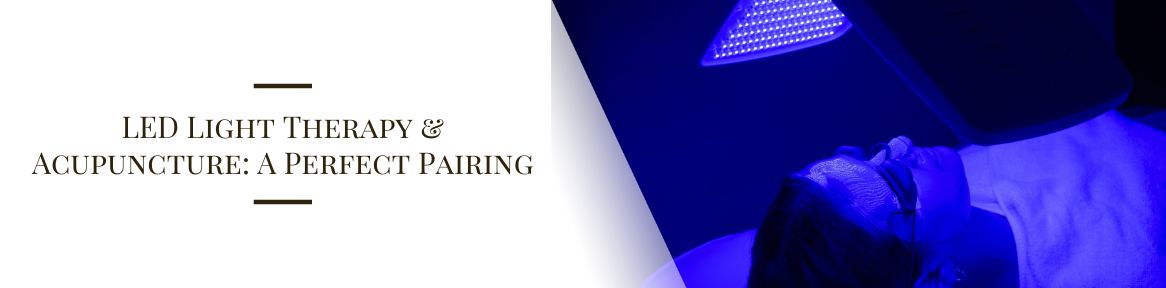
Integrating LED light therapy with acupuncture can enhance therapeutic outcomes by combining photobiomodulation (light-induced cellular stimulation) with traditional needle-based or point-targeted stimulation.
Emerging research supports LED or low-level light applications at acupuncture points for pain relief, inflammation reduction, tissue repair, and biochemical modulation.
Definition of Red Light Therapy
LED (Light-Emitting Diode) light therapy -also called low-level light therapy (LLLT) or photobiomodulation is a non-invasive treatment that uses specific wavelengths of light (red, near-infrared, blue) to penetrate tissue and stimulate cellular processes. Unlike lasers, LEDs emit diffuse, low-intensity photonic energy that affects cells without heating or damaging tissue (Kim & Calderhead, 2011).
Rather than producing heat or causing tissue damage, LED light delivers low-intensity photonic energy that helps stimulate cellular function. Research shows that these wavelengths enhance mitochondrial activity, increase adenosine triphosphate (ATP) production, and improve cellular communication, all of which are essential for tissue repair, inflammation regulation, and overall healing (Hamblin, 2017; Kim & Calderhead 2011).
Unlike lasers, which are highly concentrated and thermal, LED light is diffuse and gentle, making it safe for repeated use and appropriate for a wide range of patients. his is why LED therapy is often used alongside other natural treatments, such as acupuncture, to enhance therapeutic outcomes without overstimulating the body.
How Red Light Therapy Works in the Body
At a cellular level, photobiomodulation influences how cells respond to stress and injury. Studies show that red and near-infrared light can:
- Improve blood flow by promoting nitric oxide release
- Reduce oxidative stress and inflammation
- Support nerve regeneration and tissue repair
- Encourage collagen production and skin integrity
These effects help explain why LED light therapy can be supportive for both pain conditions and systemic stress-related concerns, especially when the nervous system needs gentle regulation rather than aggressive intervention (Hamblin & Demidova, 2006).
Clinical evidence suggests that when LED therapy is applied using appropriate wavelengths, treatment durations, and dosing protocols, patients often experience meaningful improvements in pain levels, tissue healing, and overall well-being (Leonard, 2020; Hamblin, 2017) .
In practice, LED light therapy works best as part of a whole-body approach, supporting the body’s innate ability to heal rather than forcing change. This makes it an ideal complement to acupuncture and other holistic therapies focused on restoring balance.
Acupuncture Applications Using Red Light Therapy
- Better Pain Relief & Tissue Support
Modern research shows that light delivered over acupuncture points can significantly reduce pain and discomfort. In clinical studies, low-level light applied to traditional acupuncture points helped decrease muscle stiffness and pain when measured right after treatment.
Photobiomodulation itself is recognized as an effective way to control pain and inflammation in musculoskeletal conditions, including back pain, neck pain, and other chronic discomforts (De Oliveira et al., 2021).
- Metabolic and Biological Effect
More nuanced research has explored how LED light applied to acupuncture points can influence biochemical pathways in the body. One controlled study compared LED light treatment at two key acupoints for menstrual pain against standard medication, tracking changes in metabolites at two key acupoints for menstrual pain against standard medication, tracking changes in metabolites to understand how these therapies differed in the body’s response in the body’s response . This suggests that LED light at acupoints isn’t just physical, it can also interact with metabolic processes that influence pain and overall function.
- Healing and Regeneration Support
While much of LED therapy’s clinical research focuses on skin and musculoskeletal benefits, the underlying mechanisms stimulating cell proliferation, reducing inflammation, and enhancing blood flow align beautifully with acupuncture’s goals to support natural healing. For example, studies show LED light’s ability to encourage tissue recovery and collagen formation, which can help wounds or post-injury recovery (Soliman et al., 2024).
- Aesthetic & Wellness Benefit
Not limited to pain and injury, LED light combined with acupuncture can also support skin health and rejuvenation. Clinical reviews on LED use in dermatology highlight its safety and effectiveness in improving collagen production and reducing inflammation which nicely complement acupuncture’s holistic impact on stress response and circulation.
If you’re interested in exploring how LED light therapy combined with acupuncture may support pain relief, healing, or overall wellness, schedule a consultation with a licensed practitioner who uses evidence-based protocols. A personalized treatment plan can help determine whether this integrative approach fits your health goals. Book your appointment today and experience the benefits of modern light therapy paired with traditional acupuncture.